The International Baccalaureate (IB) is a globally recognized educational framework that helps students become active, compassionate, and lifelong learners. At the International School of Debrecen, our IB curriculum moves beyond traditional memorization, focusing instead on developing critical thinking and real-world problem-solving skills.
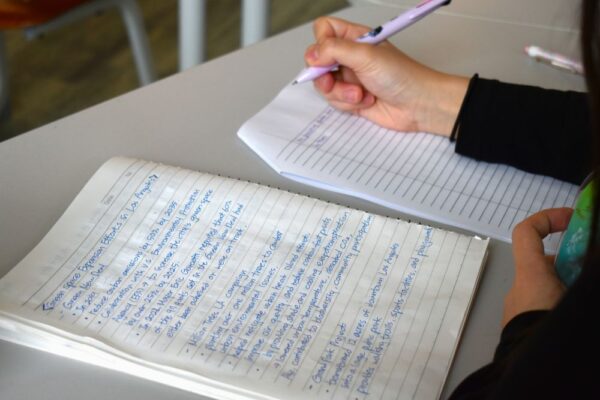
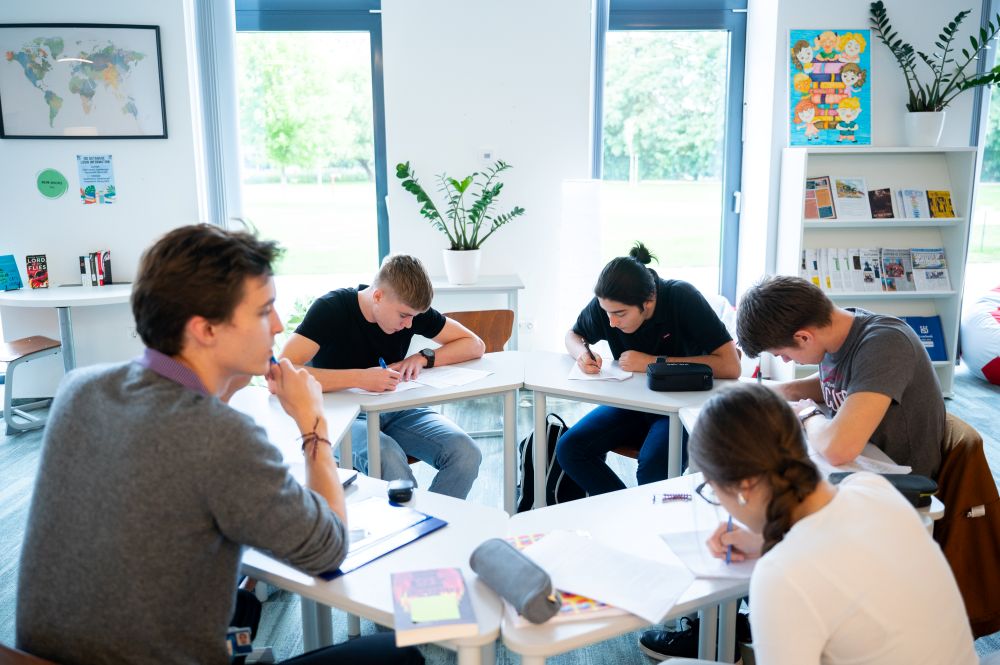
To illustrate this in action, consider our Grade 10 Individuals and Societies (I&S) students. In one of their learning units they dove into a project exploring “Sustainability in Urban Systems,” which perfectly showcases how our IB curriculum empowers students to critically examine pressing global issues.
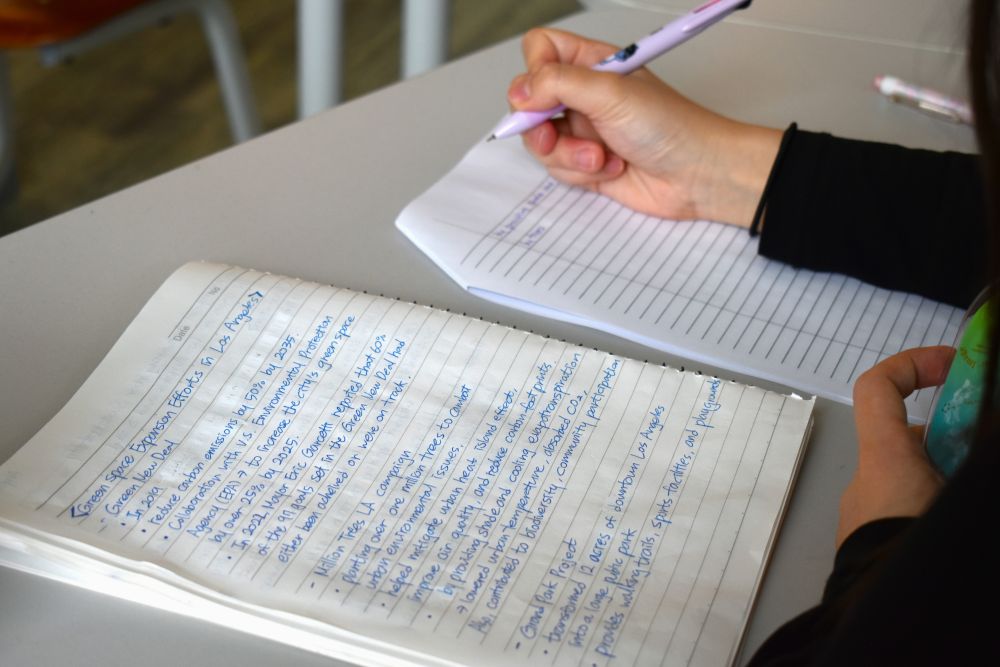
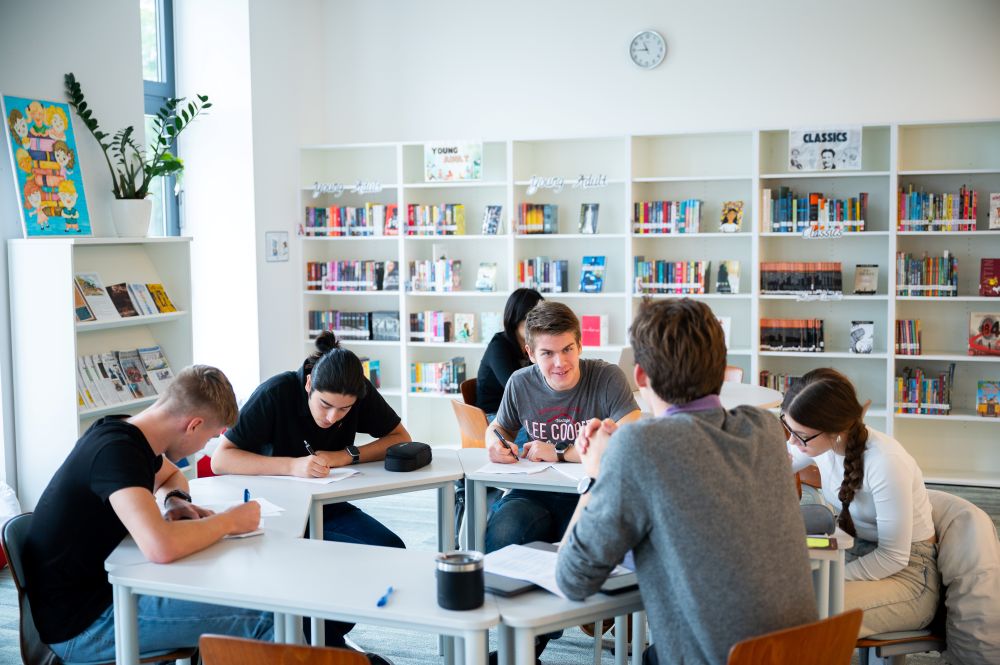
Rather than just memorizing facts, our students tackled a complex, open-ended question: Can cities truly be sustainable? This inquiry-driven approach is a cornerstone of the IB philosophy. It encourages students to move beyond surface-level understanding, fostering a genuine curiosity that propels their learning journey. They actively researched diverse case studies from around the globe, analyzing the intricate systems that allow cities to function. This deep investigation into existing urban models helped them understand the complex environmental, social, and economic factors involved.
By engaging with such a relevant global challenge, our students aren’t just gaining academic knowledge; they’re developing into informed and responsible global citizens. This unit highlights how ISD’s IB program prepares students to analyze intricate problems, contribute to meaningful discussions, and think innovatively about creating a more sustainable world.
Why IB Learning Benefits Students?
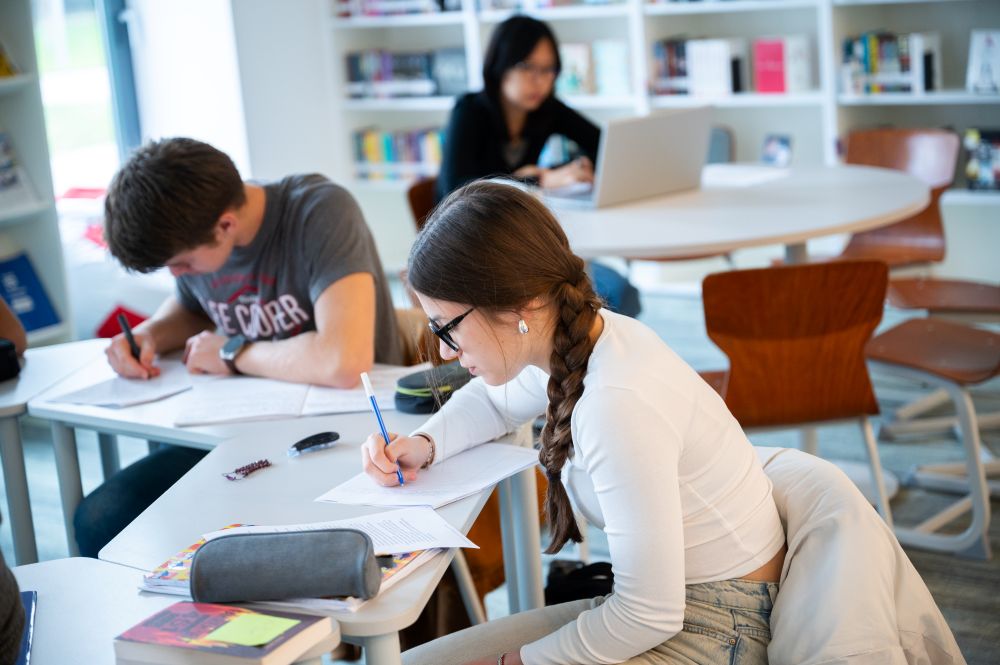
This inquiry-based, unit-driven approach profoundly benefits your child more than conventional teaching. It transforms them from passive learners into active participants, fostering deeper understanding and stronger retention of knowledge. This means your child won’t just memorize facts; they’ll truly grasp concepts, leading to greater academic confidence.
Crucially, this method cultivates essential real-world skills like critical thinking, research, and communication – competencies highly valued by universities and future employers. Your child will develop these practical abilities through hands-on projects, giving them a significant edge. Ultimately, IB education provides enhanced university readiness and broader global opportunities, preparing your child for success in higher education and a dynamic world.