🌱 Welcome to Your Pea Plant Adventure!

Congratulations, Plant Scientist! 🔬


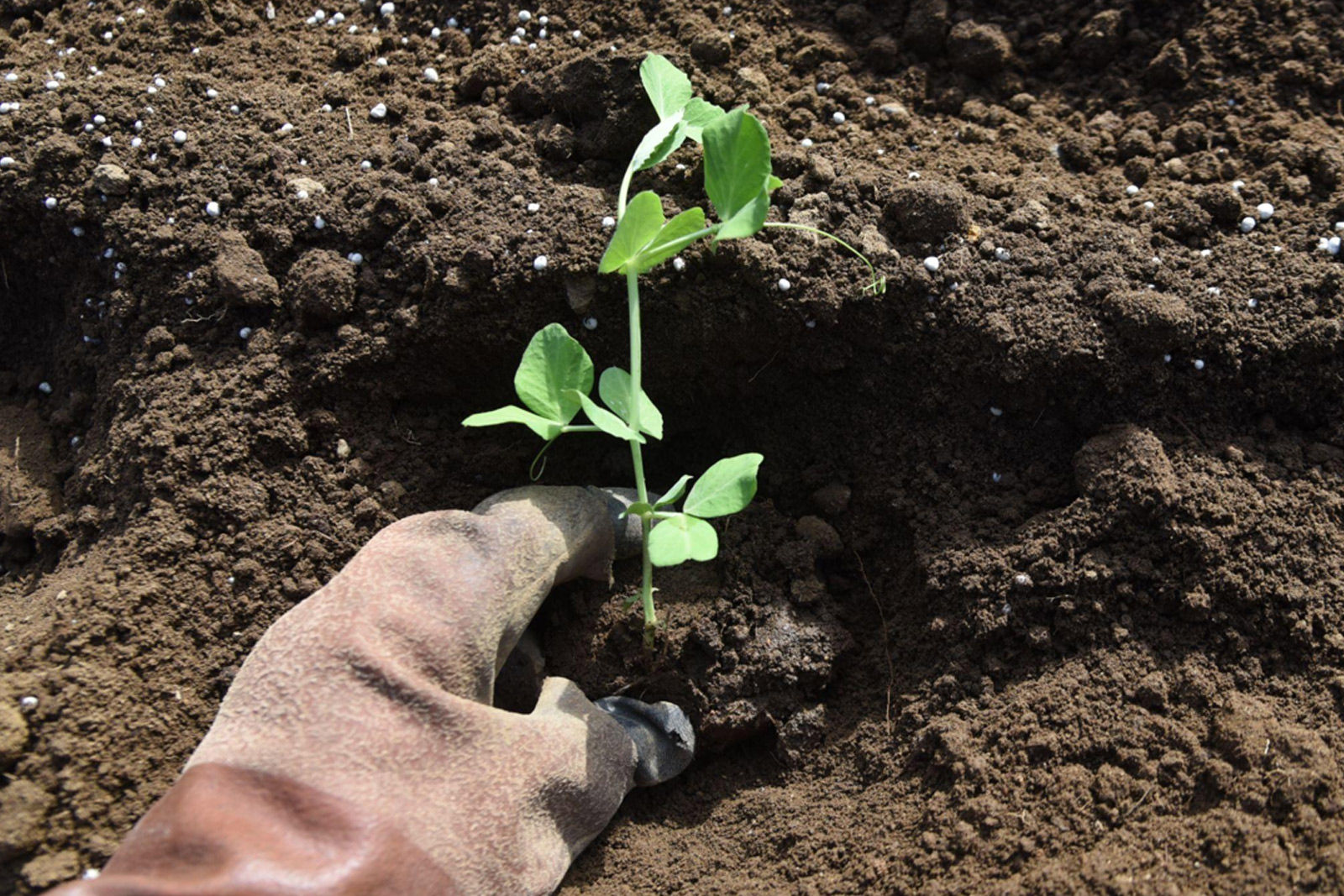
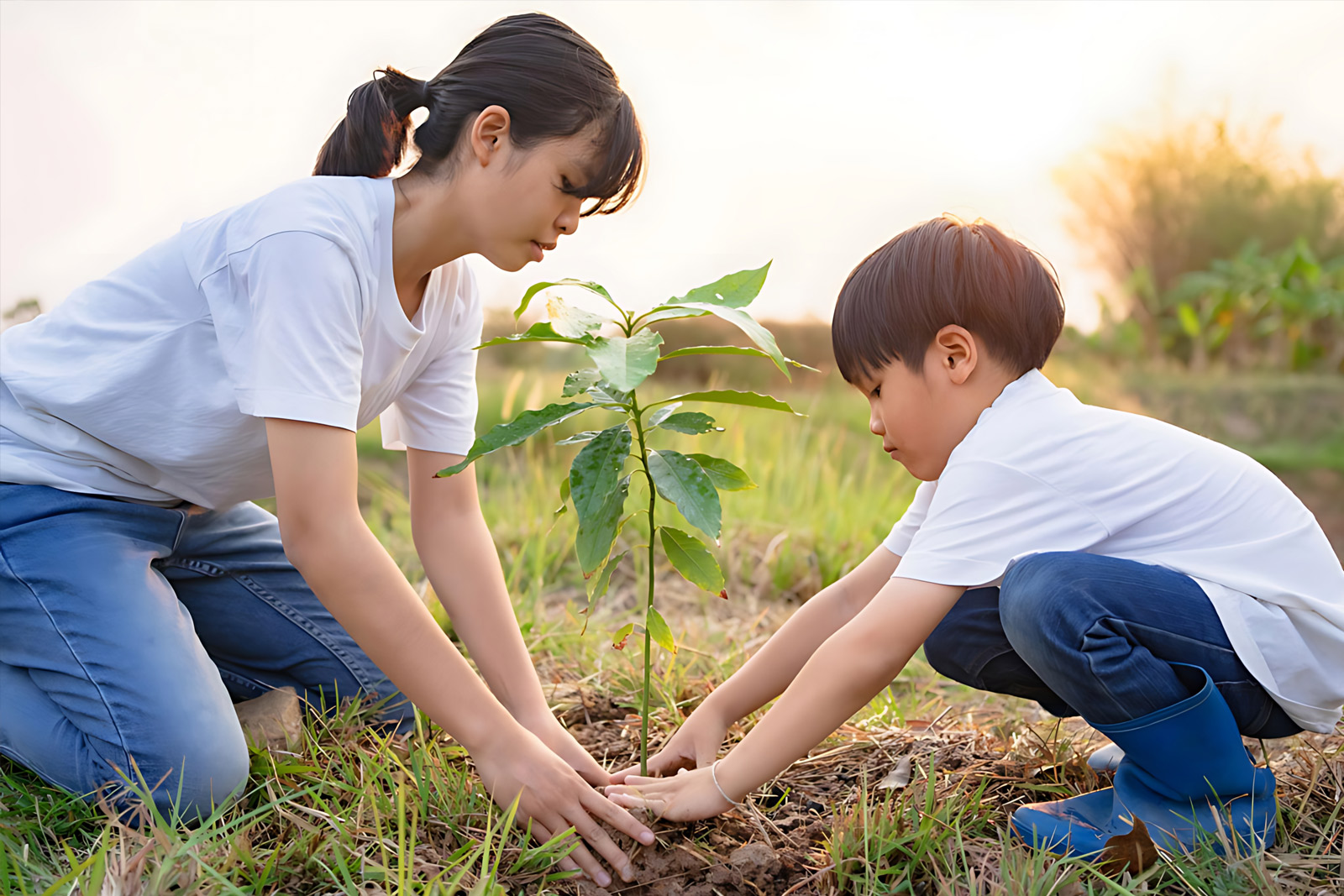
You have just planted your very own pea seed!
Right now, your seed may look small, brown, and not very exciting. But inside that tiny seed is something amazing—a baby plant waiting to wake up.
Over the next few weeks, you will become a real scientist. You will observe, measure, record, and care for your pea plant as it grows from a tiny seed into a beautiful green plant.
Are you ready?
Let’s begin!
🎥 Watch Before You Start

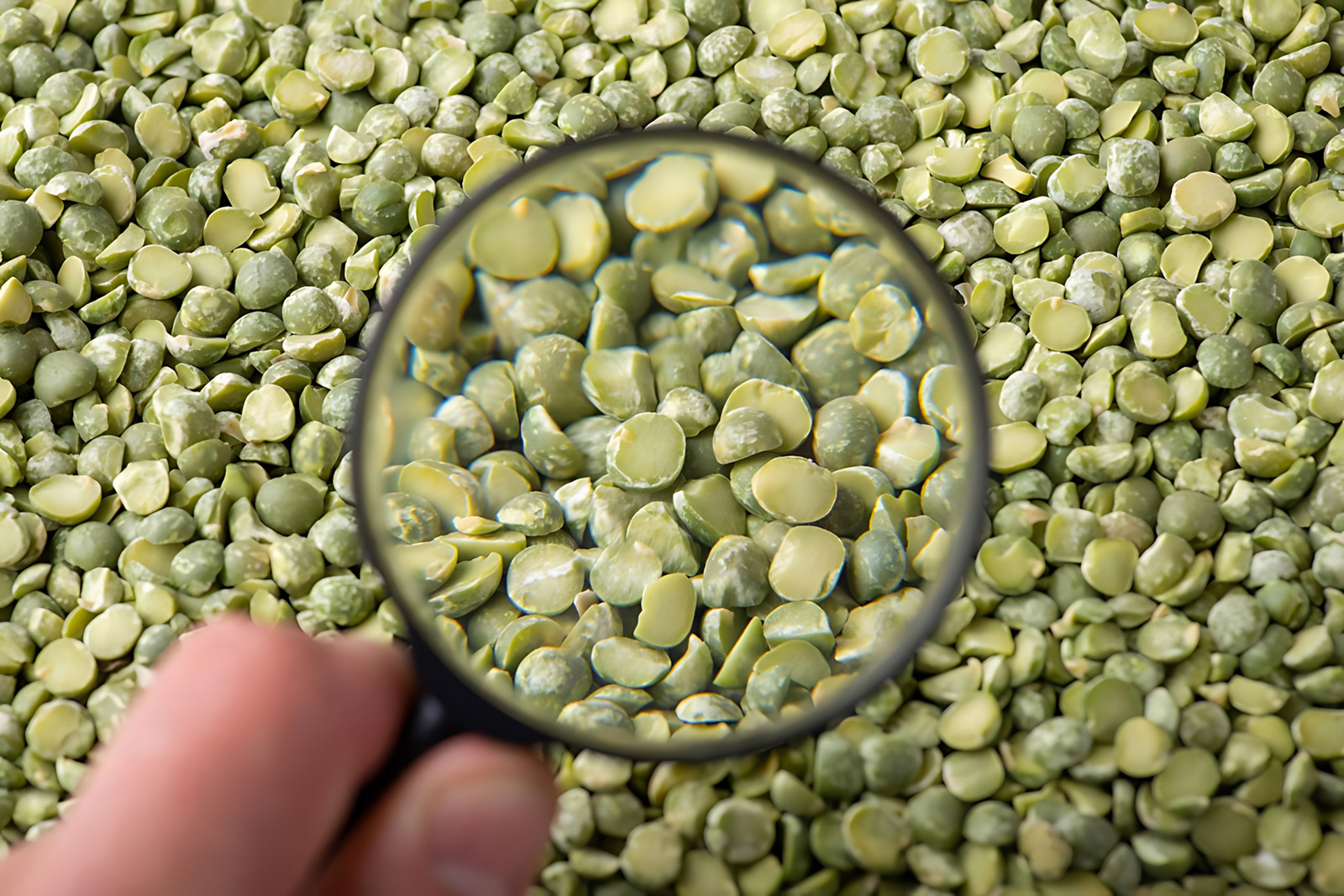
🌟 Meet Your Pea Seed

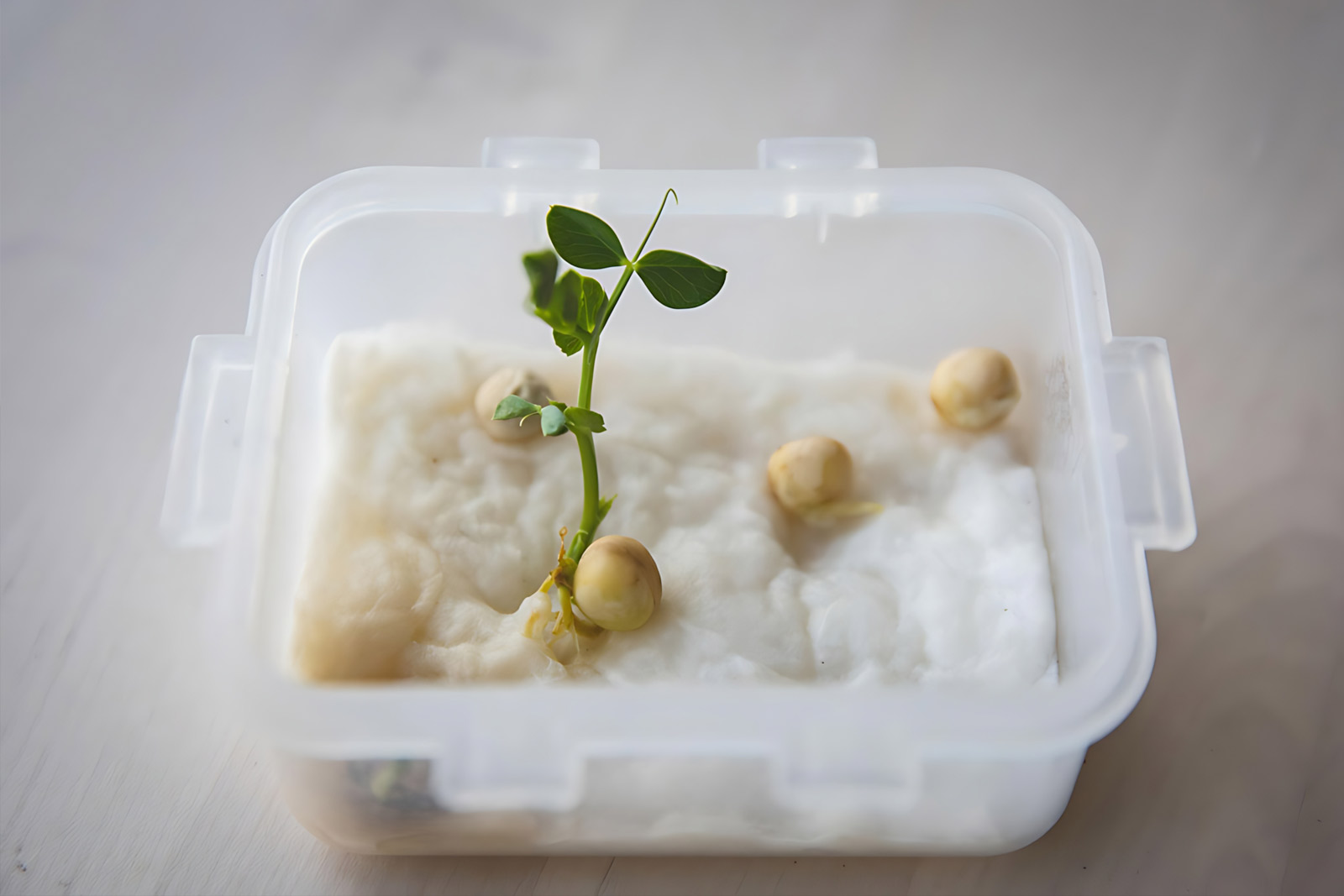
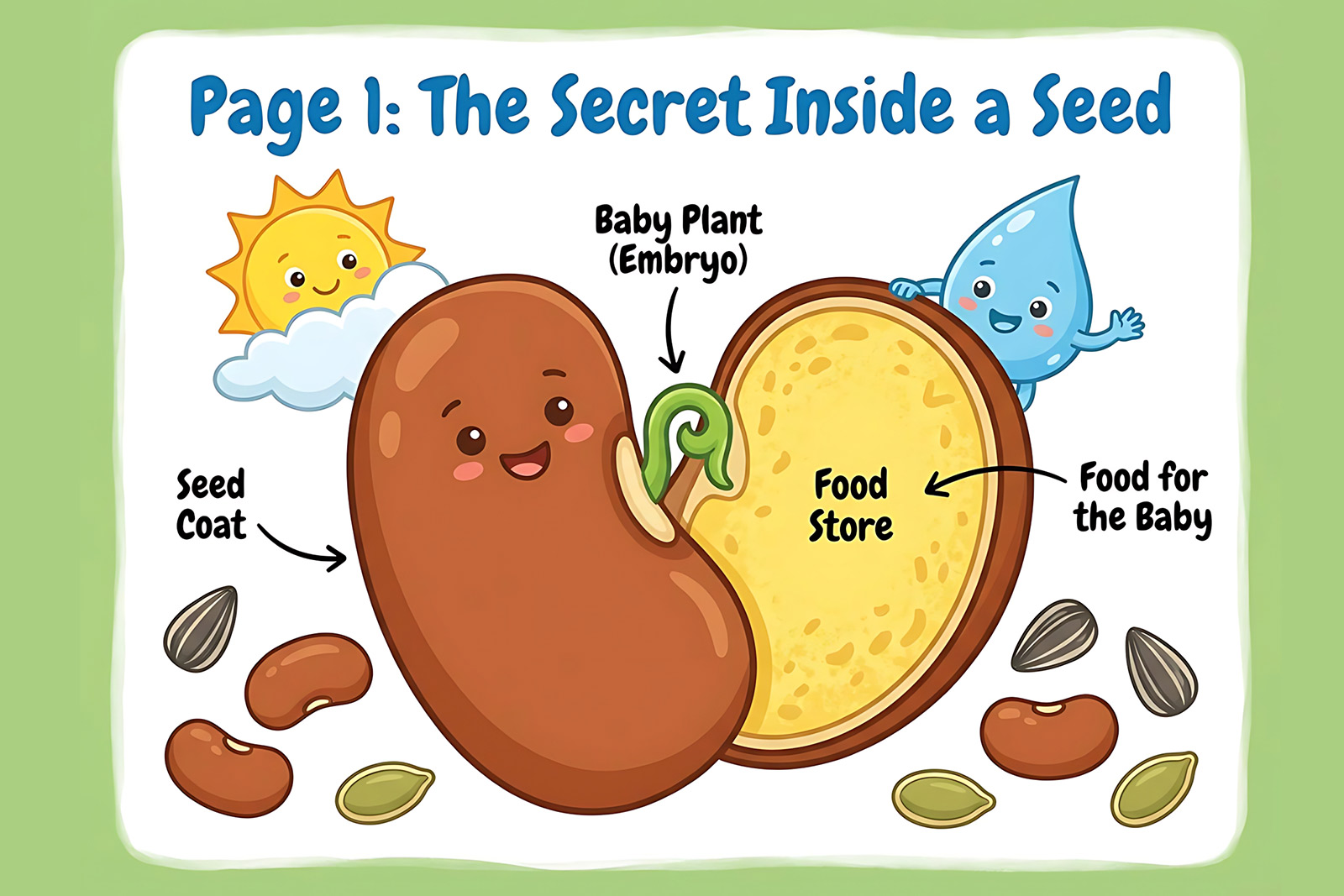
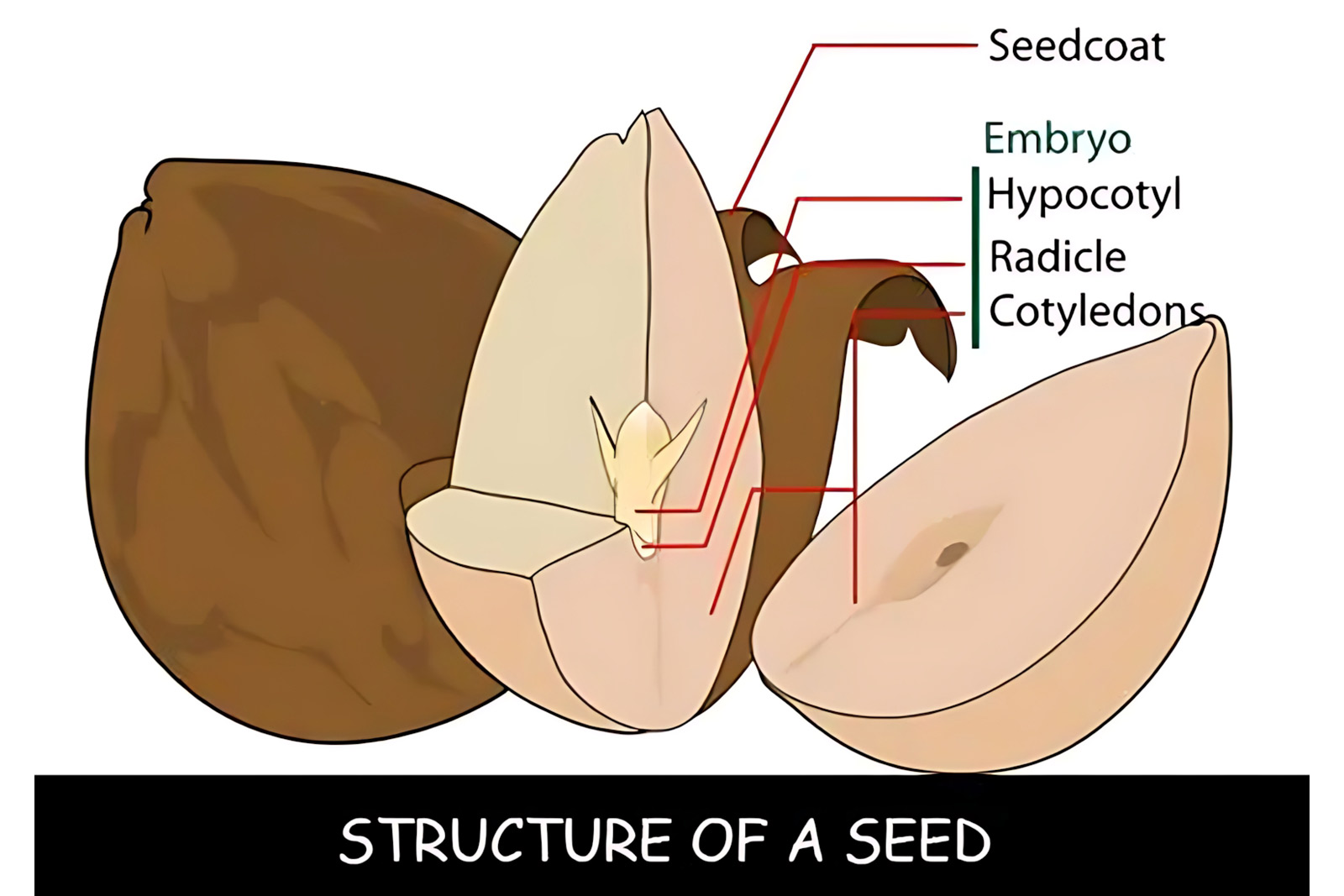
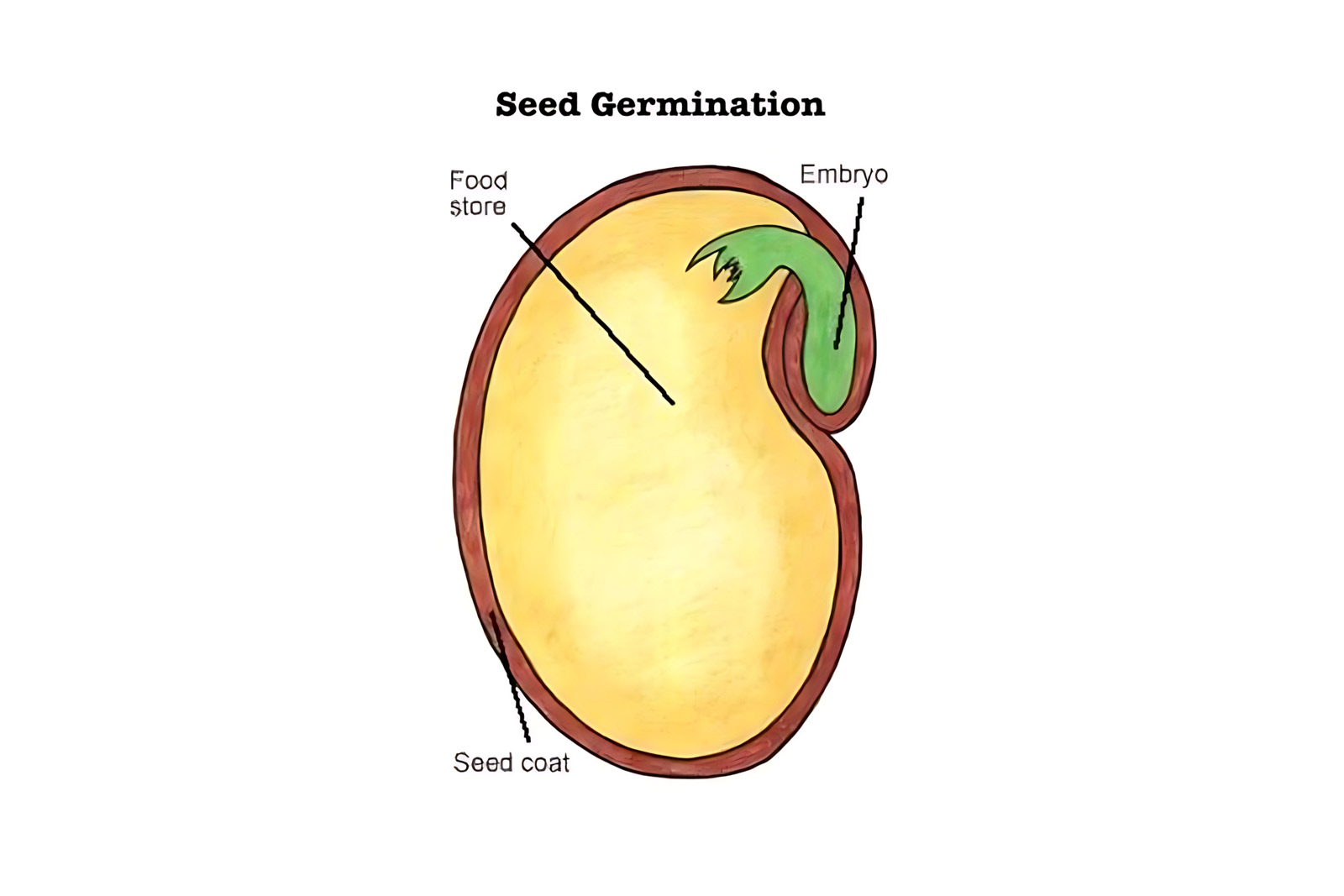
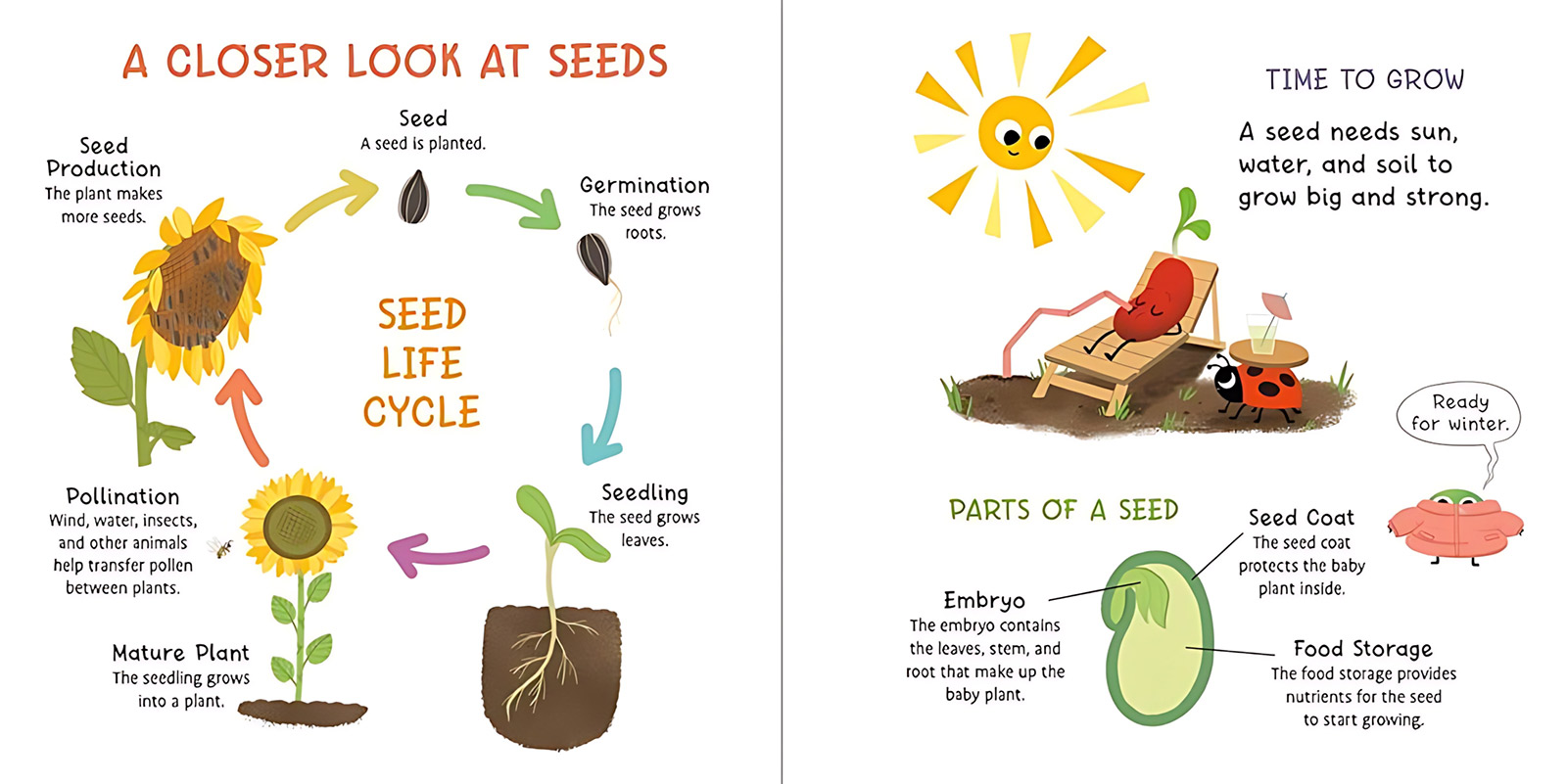
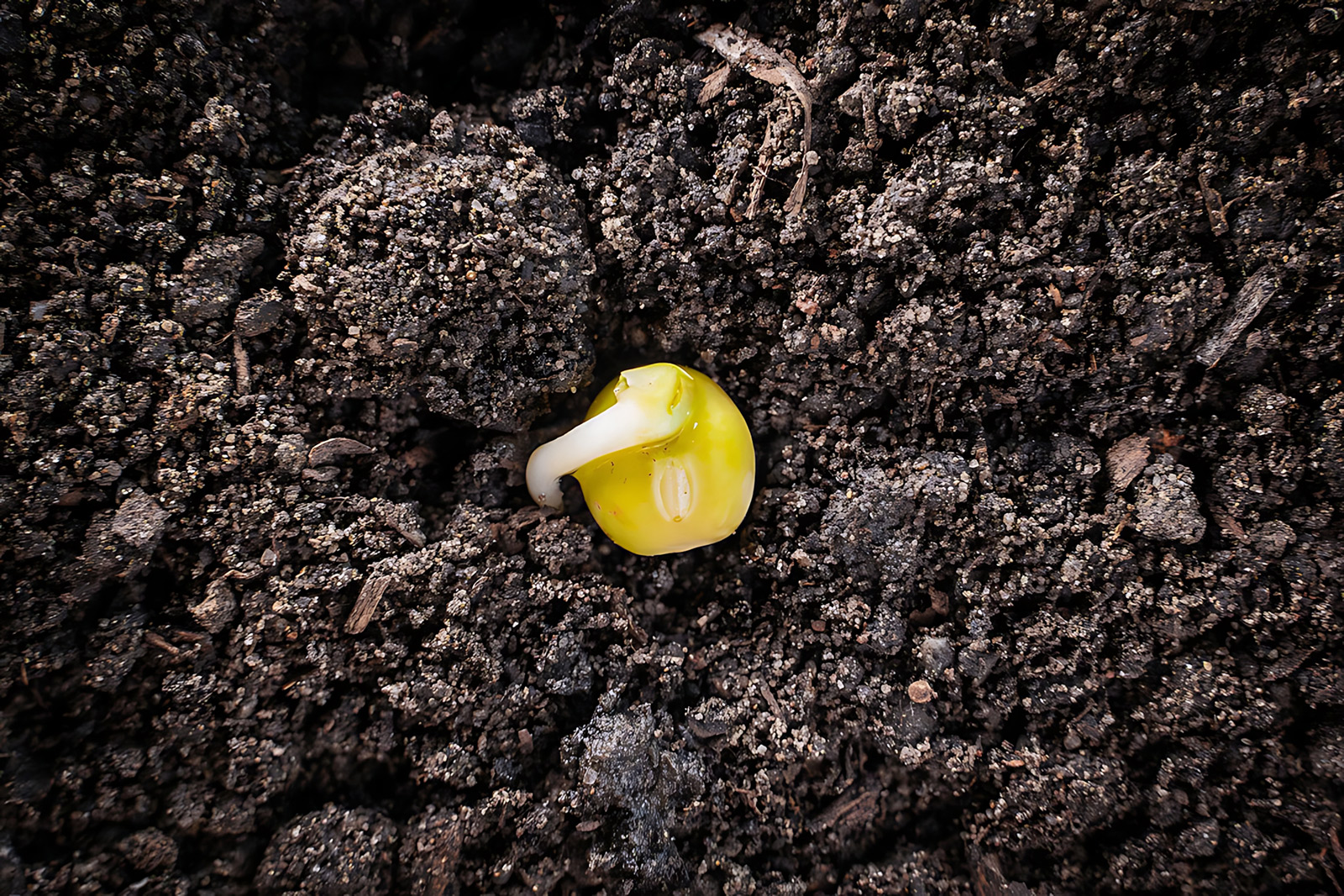
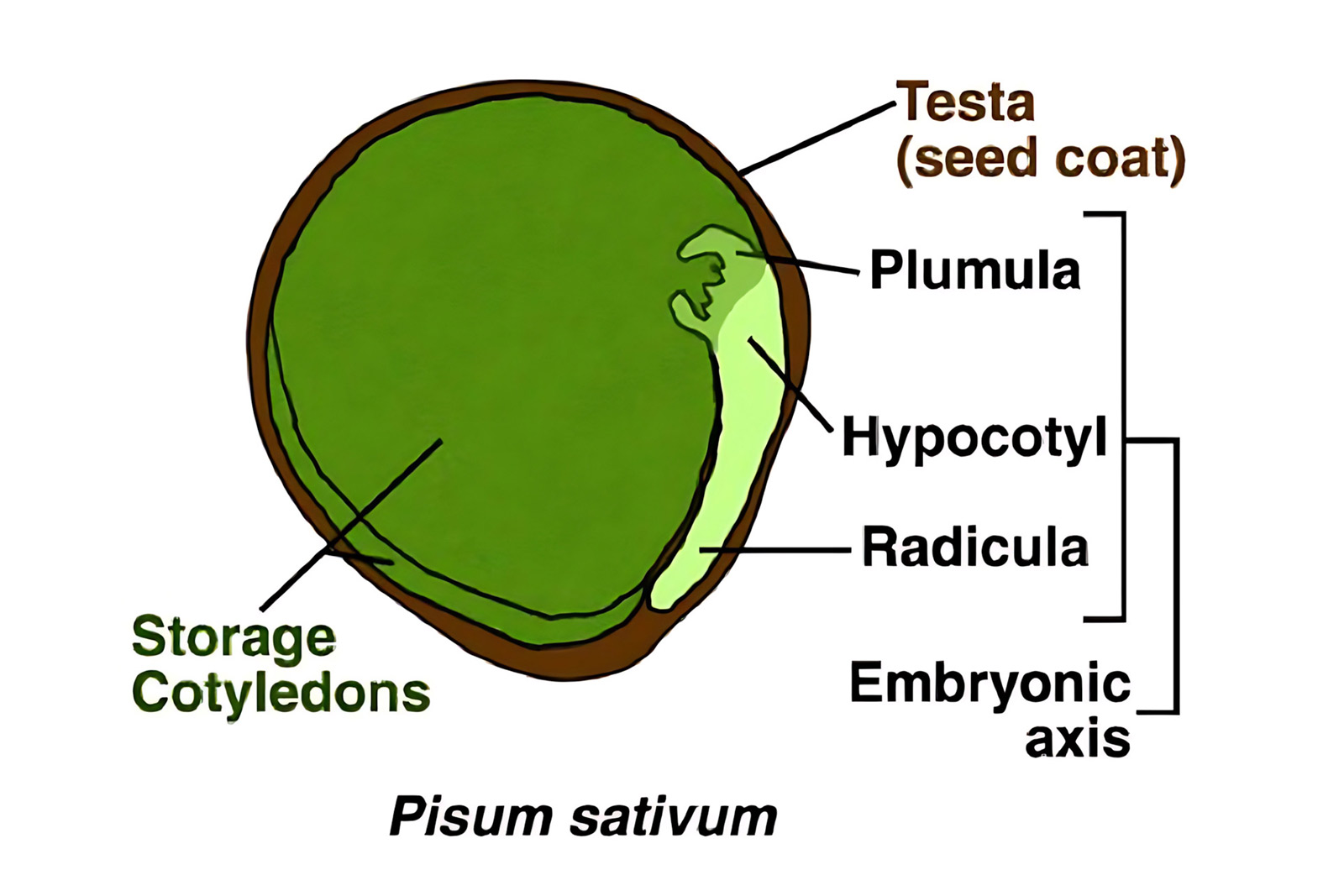
Although your seed looks simple, it contains three important parts:

🛡️ Seed Coat

The tough outer shell protects the seed.

🌱 Embryo

A tiny baby pea plant hidden inside.

🍽️ Food Store

Special nutrients that feed the baby plant until it grows leaves.

Think of the seed as a sleeping explorer packed with food and ready for an adventure!
💧 Week 1: Wake Up, Seed!

What Happens First?

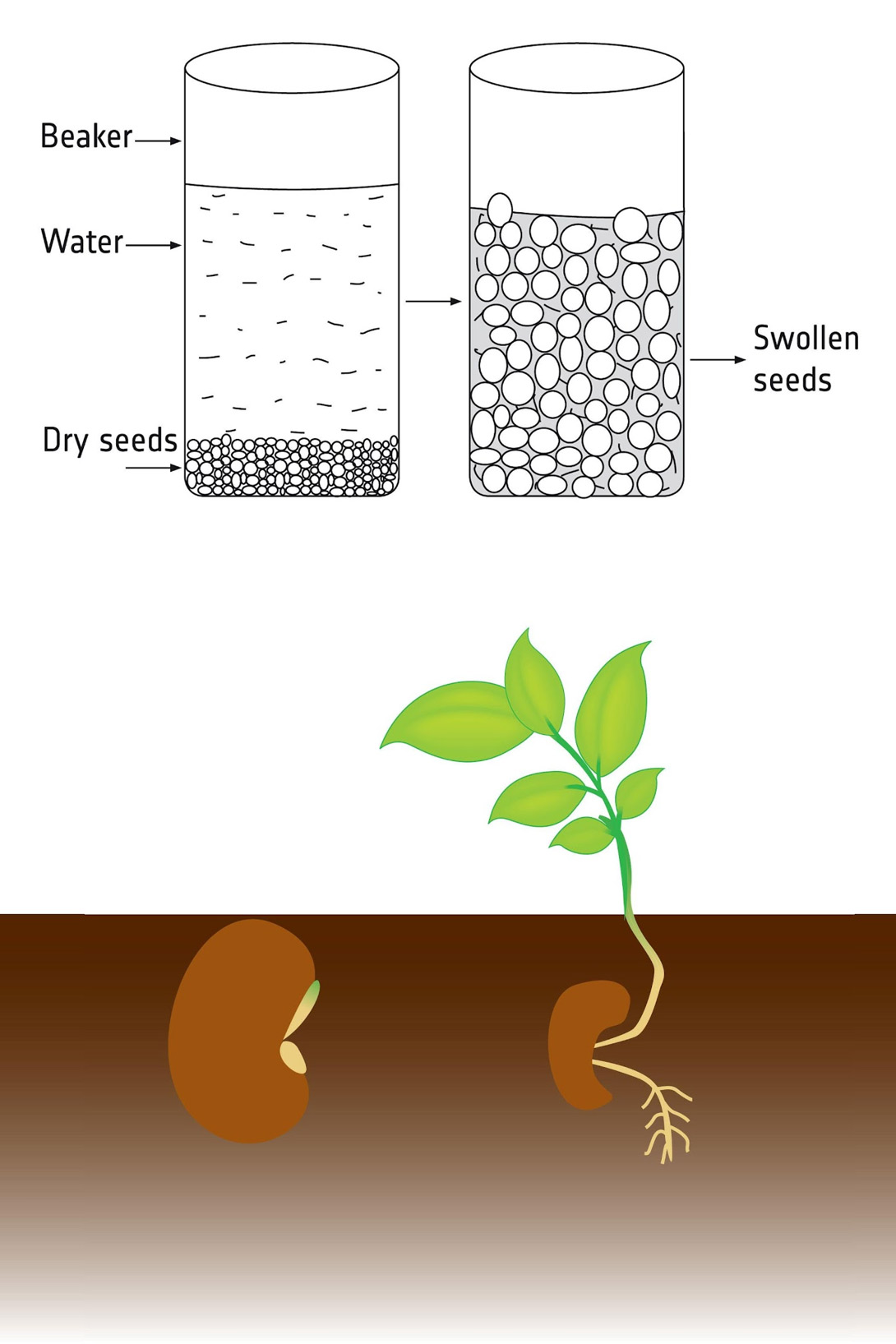
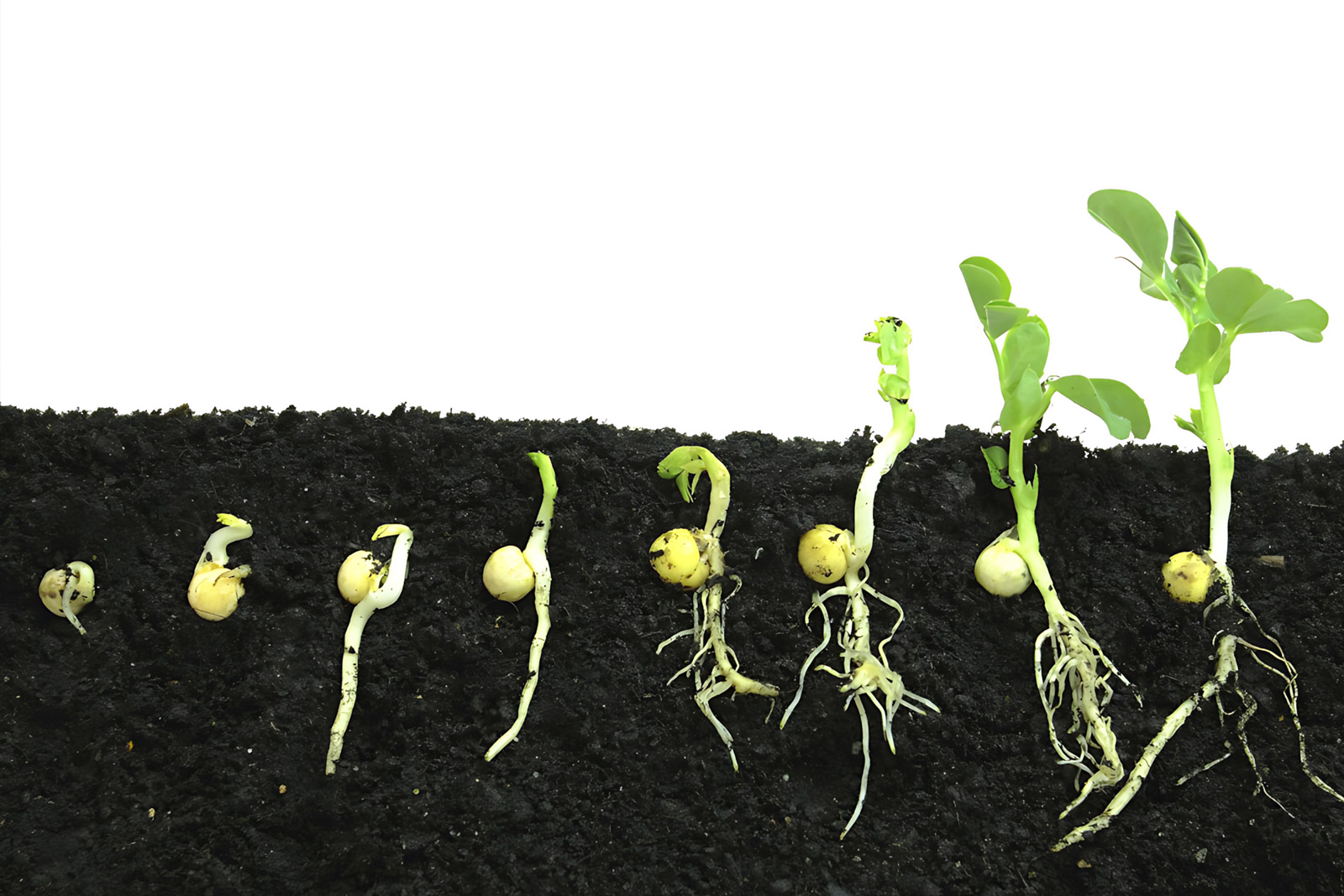
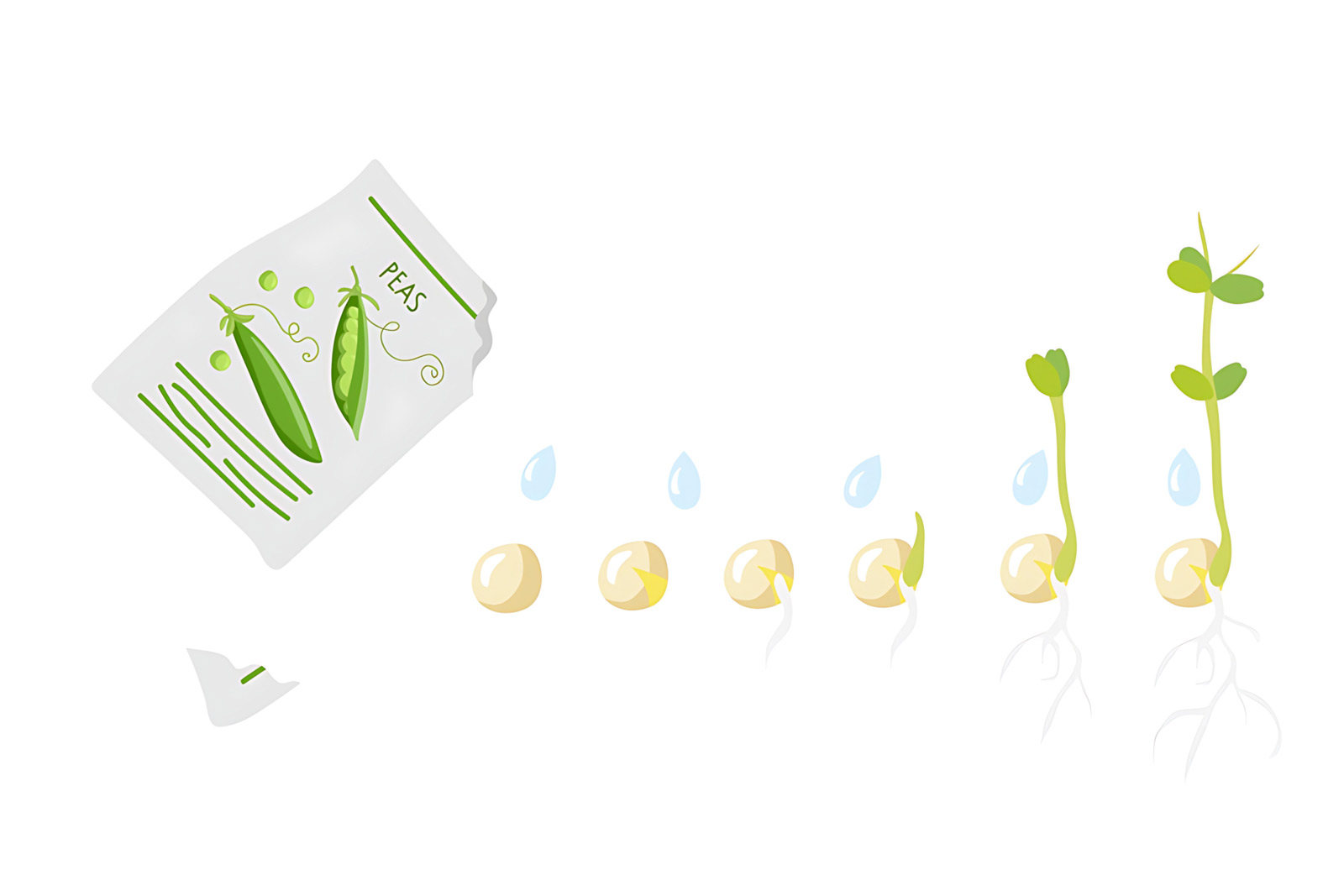
When you water your seed, something incredible begins.

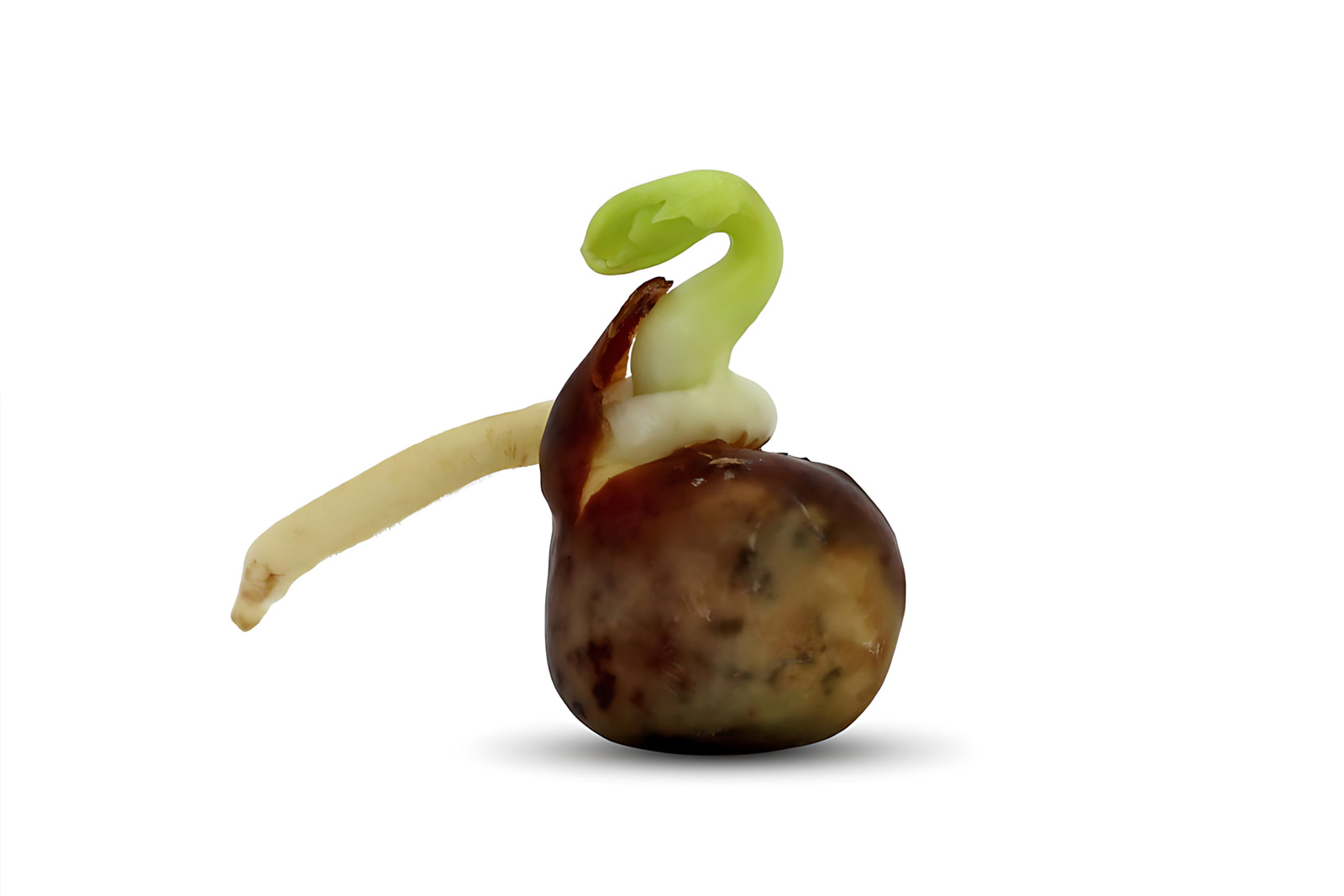
The seed drinks water through its seed coat. Scientists call this process imbibition.

The seed swells.

The protective coat softens.

The baby plant inside wakes up.

Even if nothing can be seen above the soil, a lot is happening underneath!

🌟 Fun Fact

A dry seed can remain asleep for many years until it receives water.

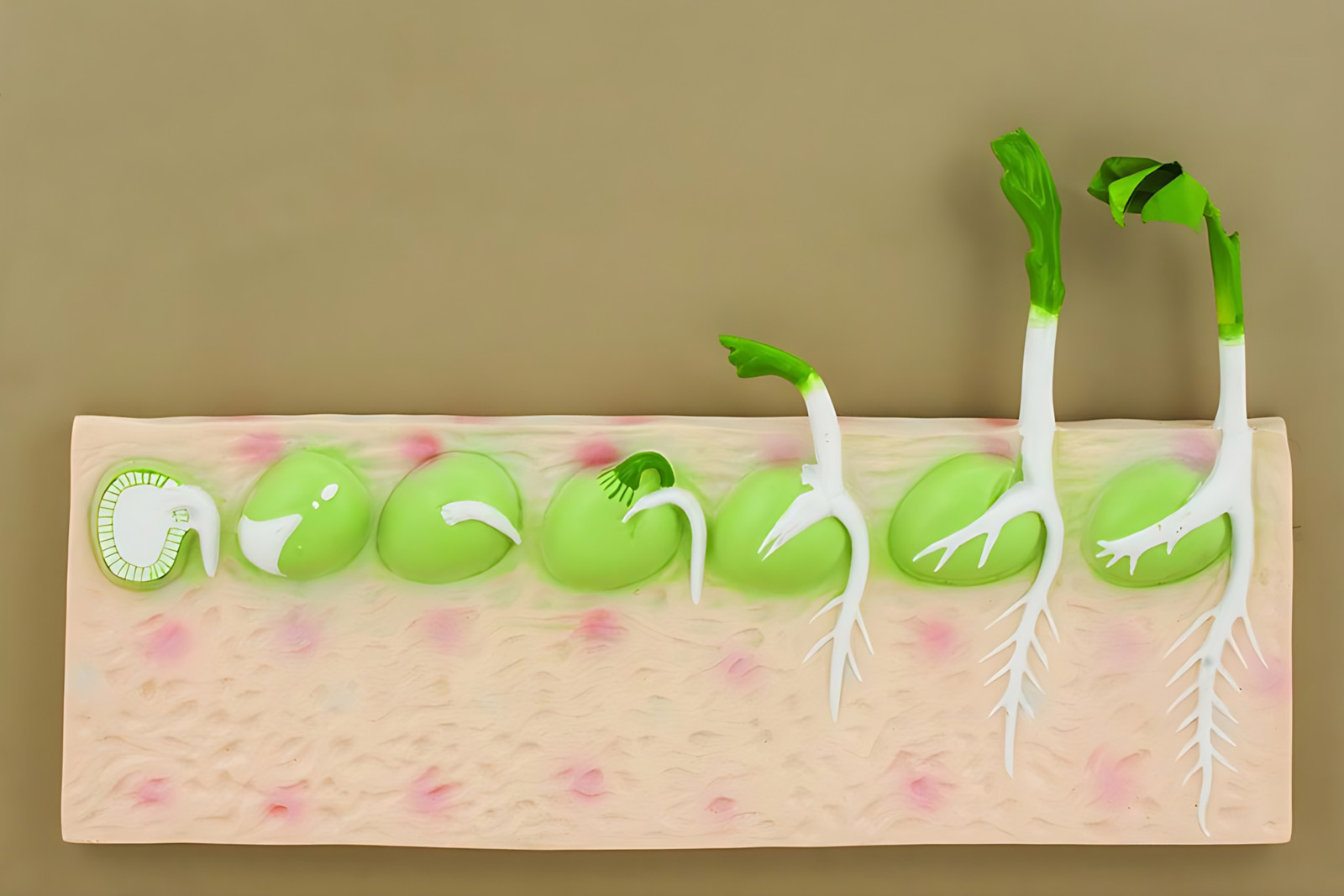
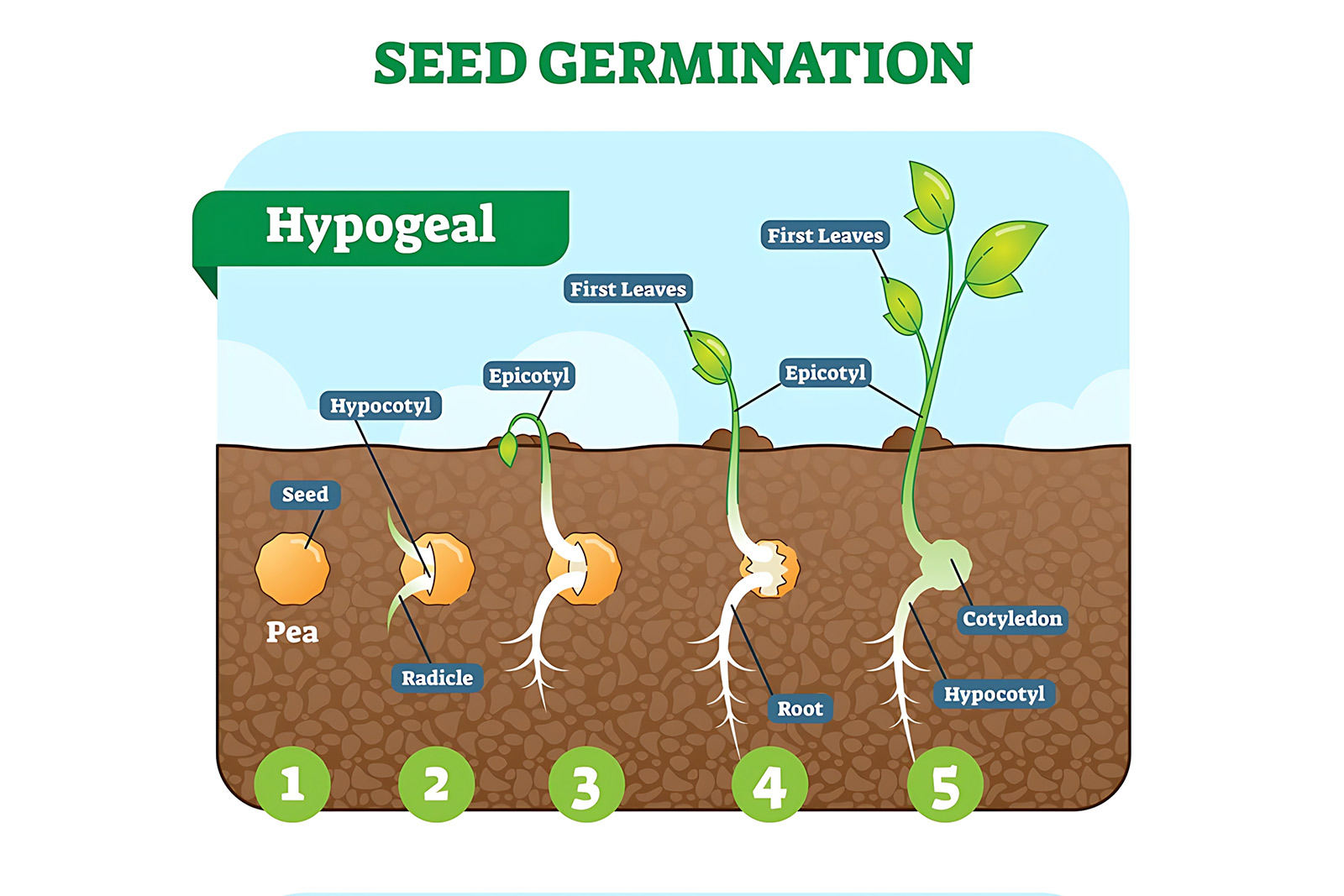
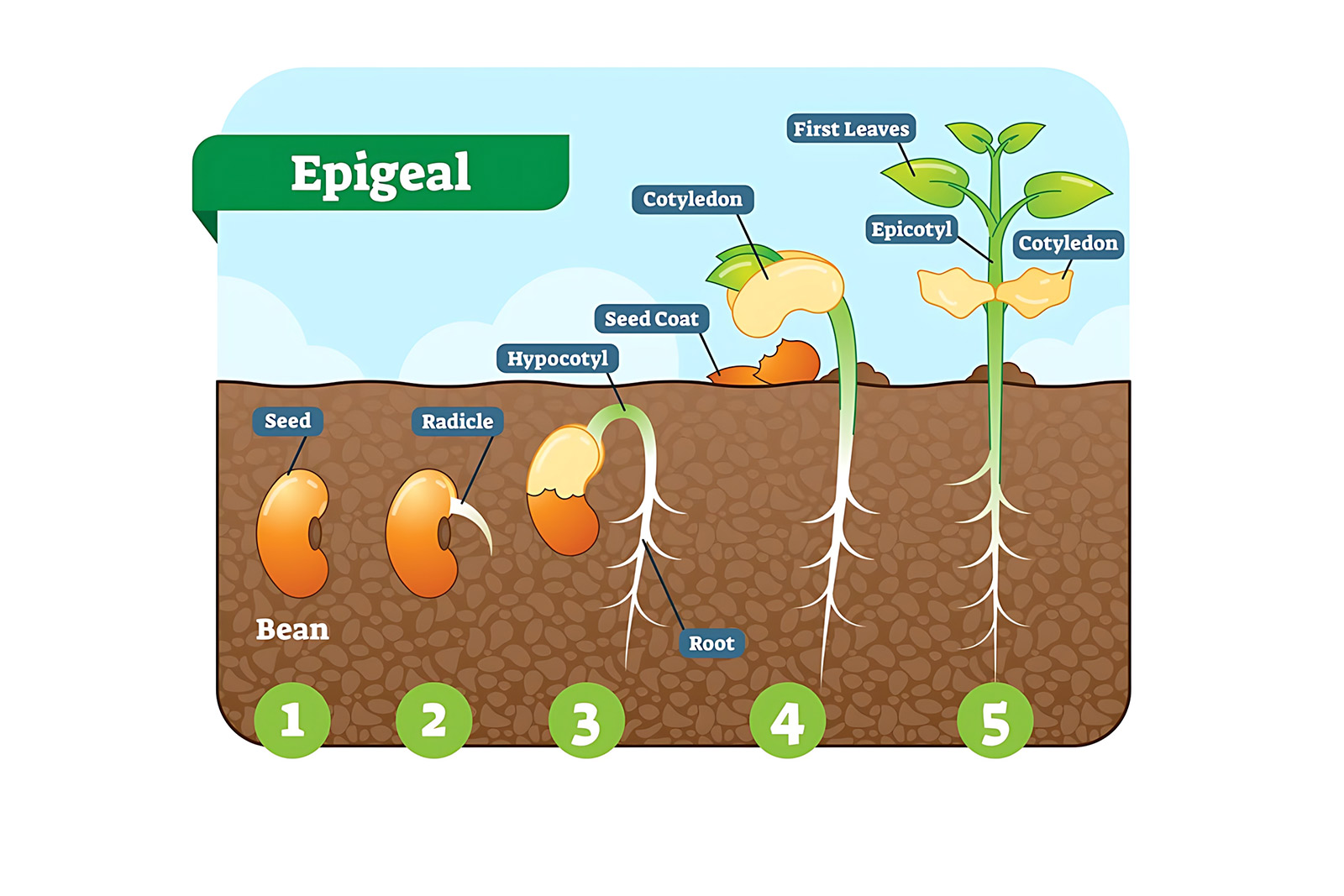
🌱 Week 2: Root Power!

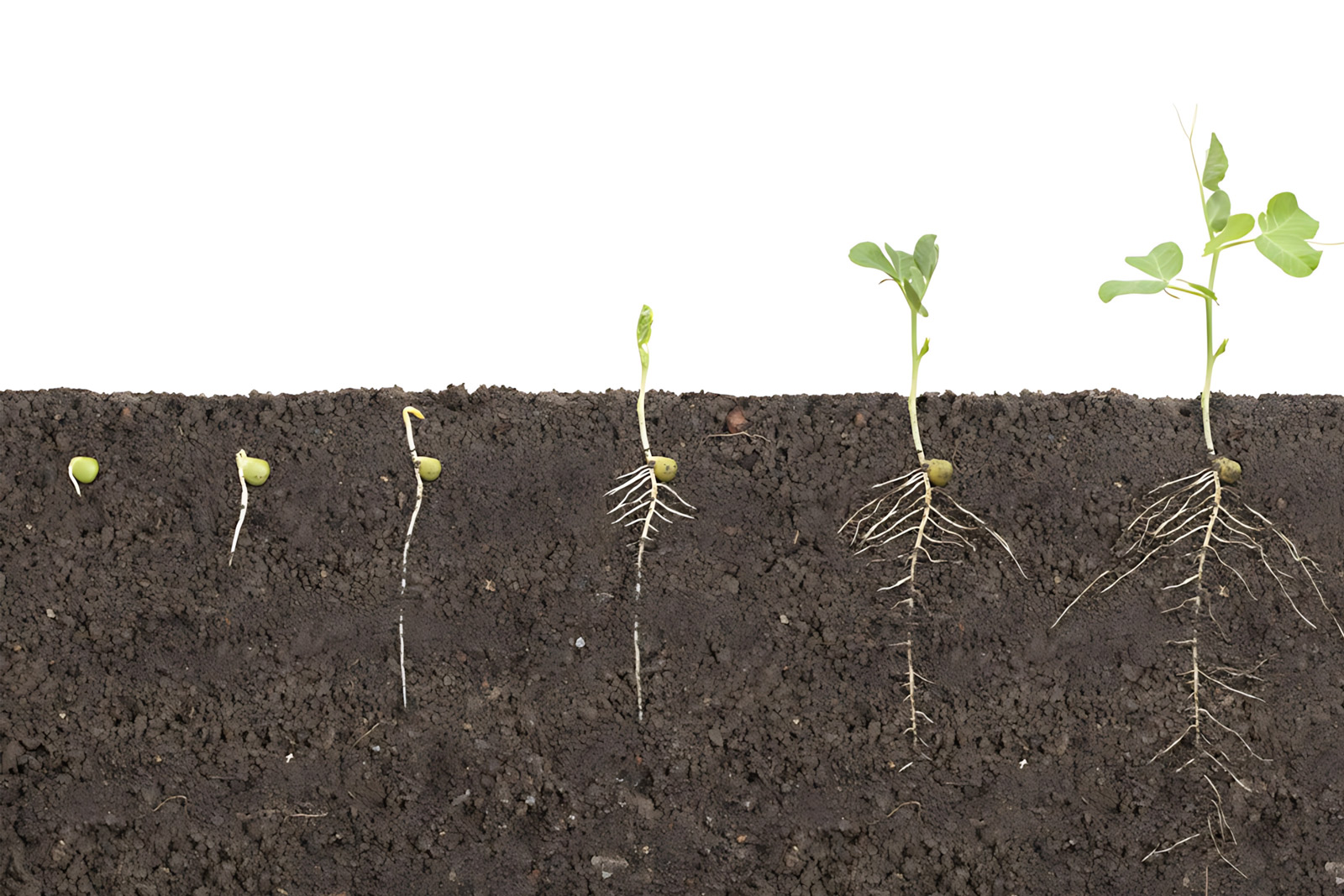
The First Root Appears

Can you guess what grows first?

A leaf?

A flower?

A root?

The correct answer is:

ROOT! 🎉

Roots grow first because the plant needs water and nutrients before it can do anything else.

Roots help the plant:

💧 Absorb water

🥕 Take nutrients from the soil

⚓ Hold the plant firmly in place

Scientists have discovered that roots can actually sense gravity and know which direction is down.

Amazing!

🌿 Week 3: Hello Sunshine!

The Shoot Reaches the Surface

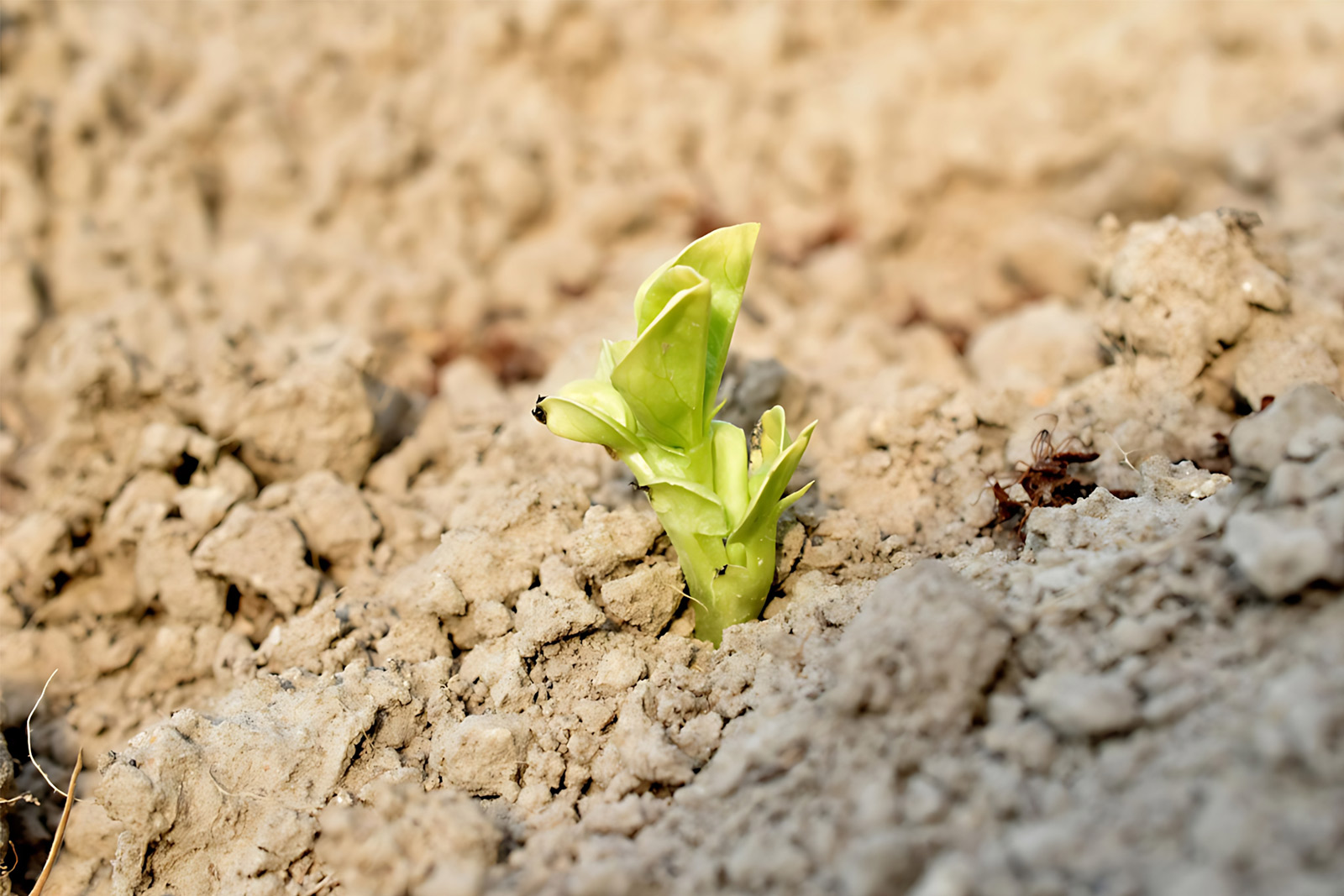
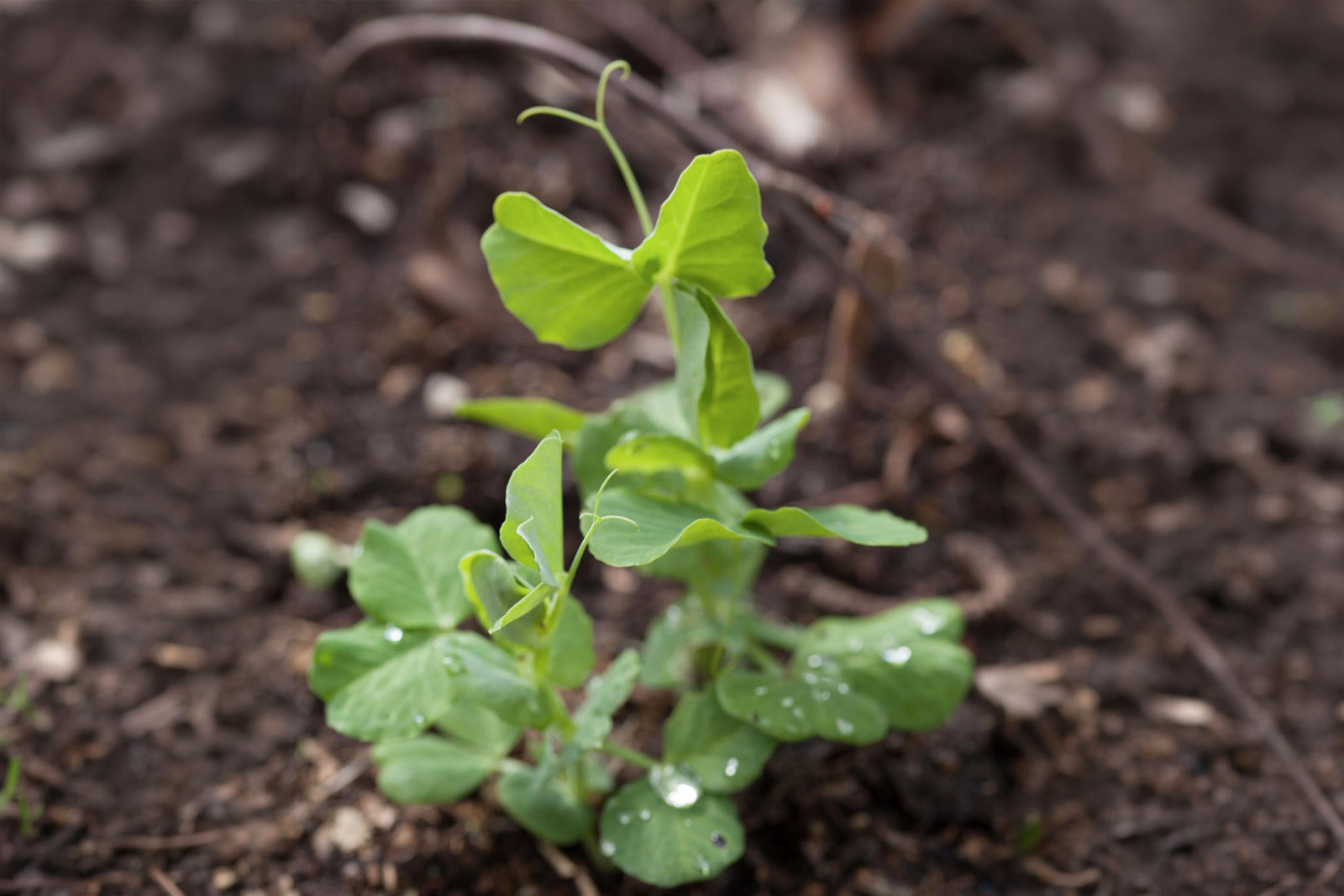
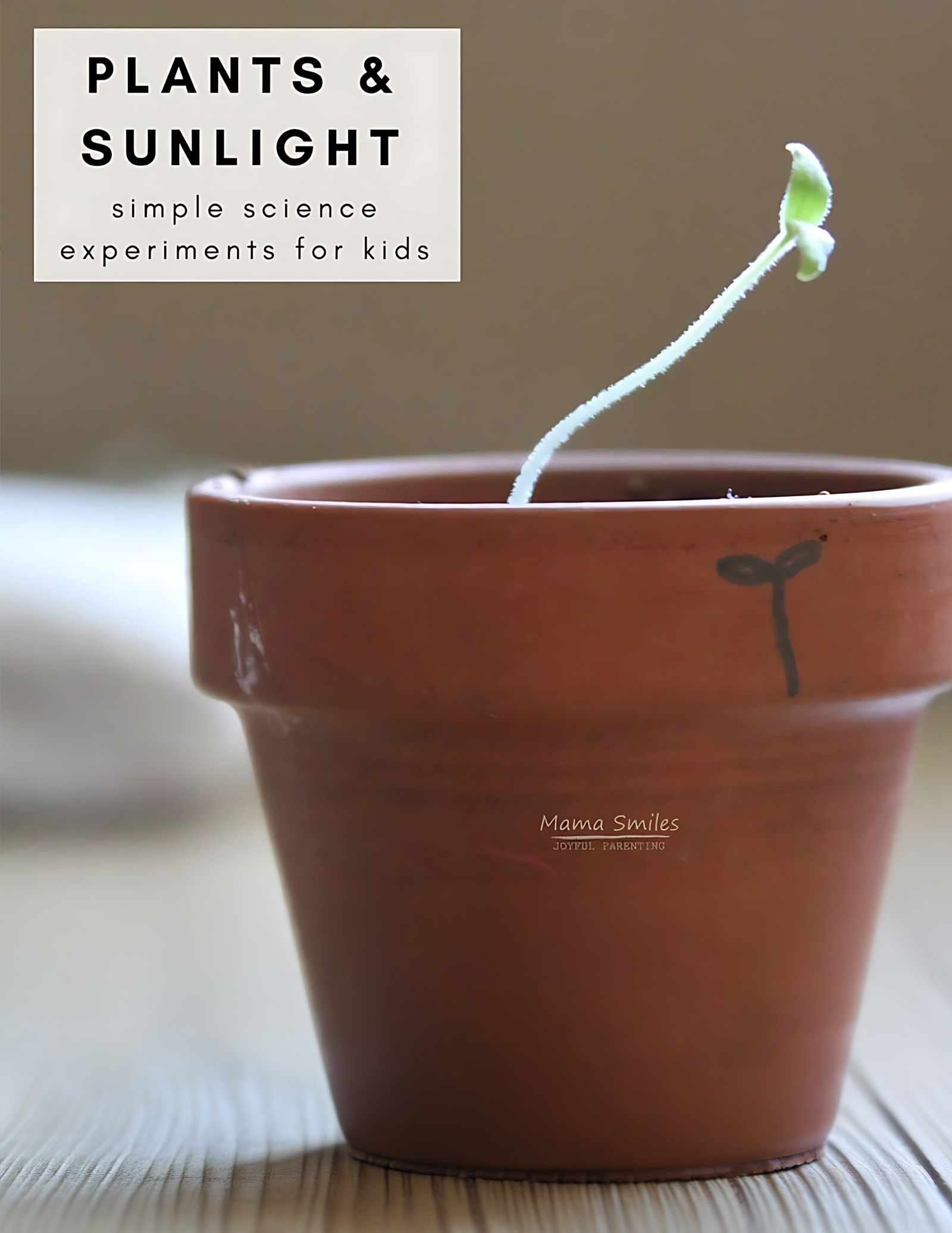
Soon you will see a tiny green shoot appear above the soil.

This is the stem.

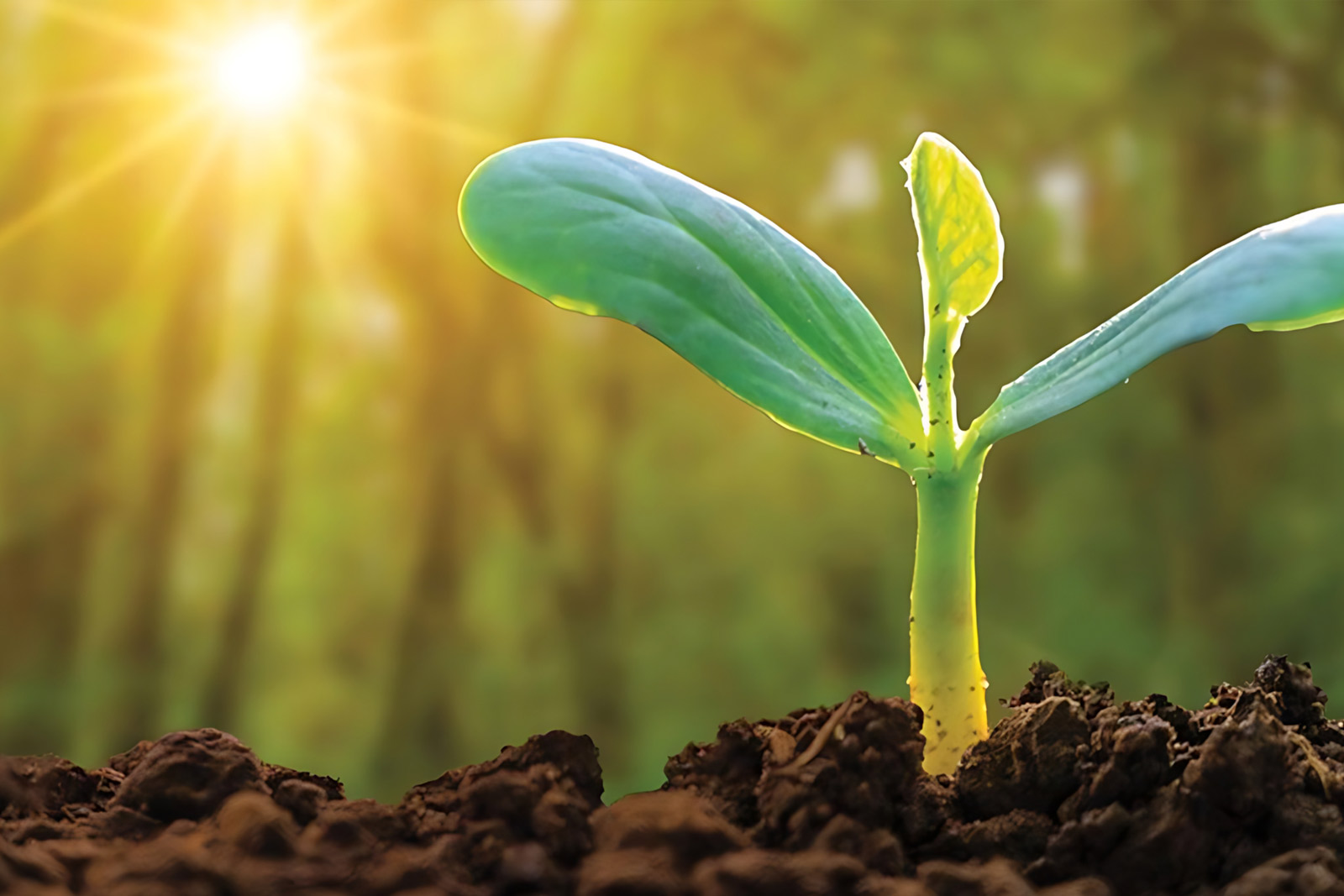
The stem’s job is to lift the leaves into the sunlight.

The leaves are incredibly important because they are where food is made.

🌞 The Magic of Photosynthesis

Humans eat food.

Dogs eat food.

Birds eat food.

But what about plants?

Plants make their own food!

This amazing process is called:

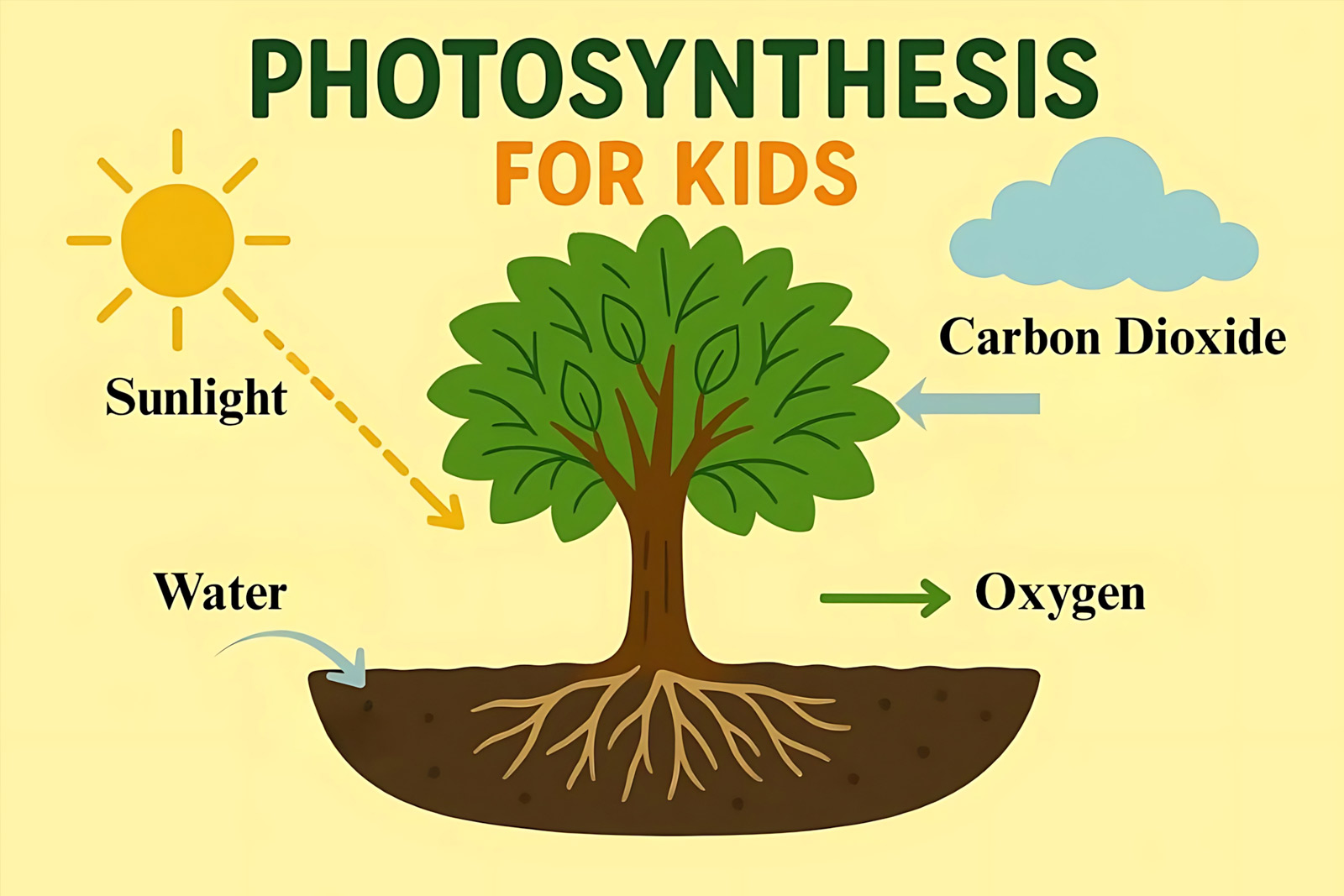
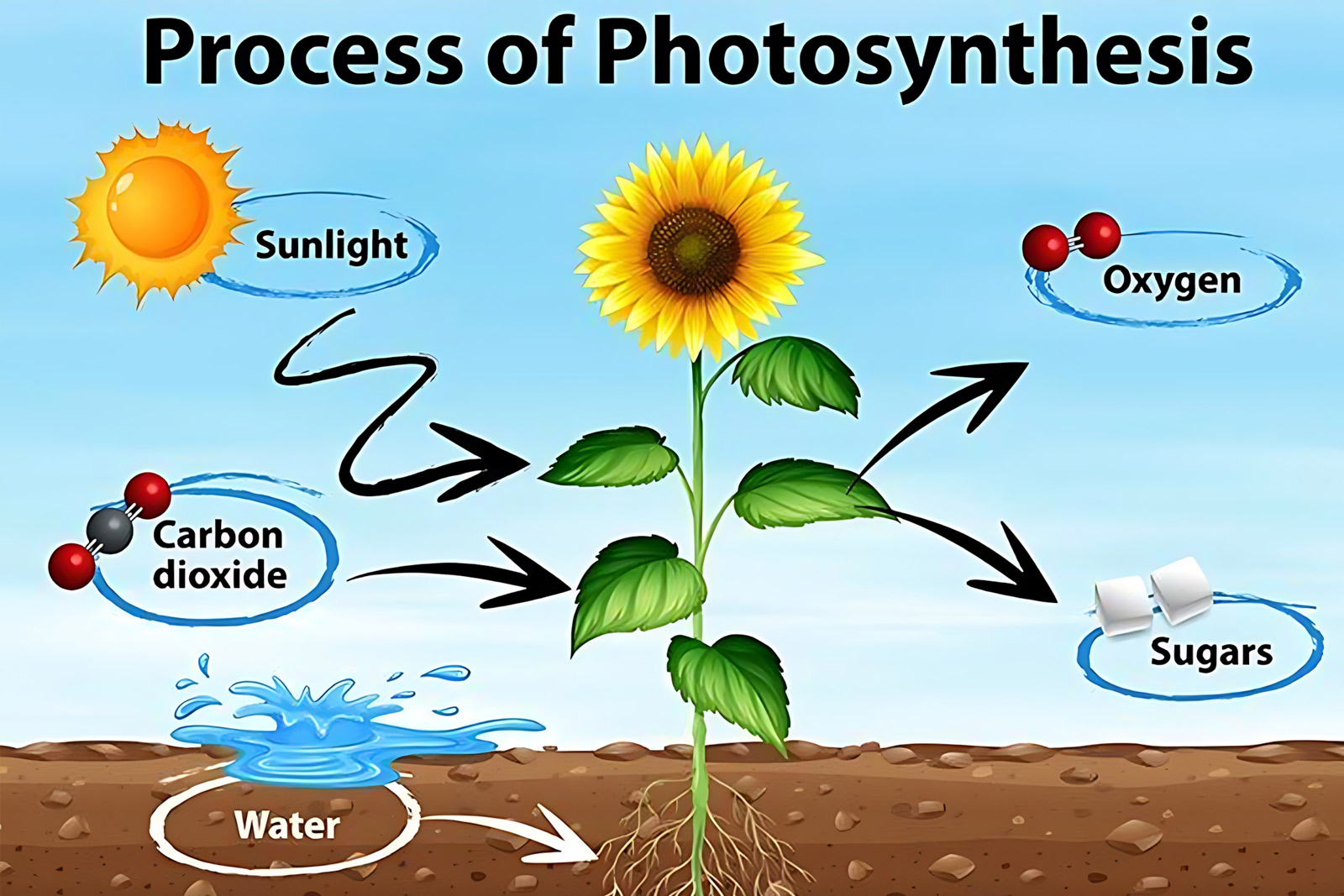
Photosynthesis

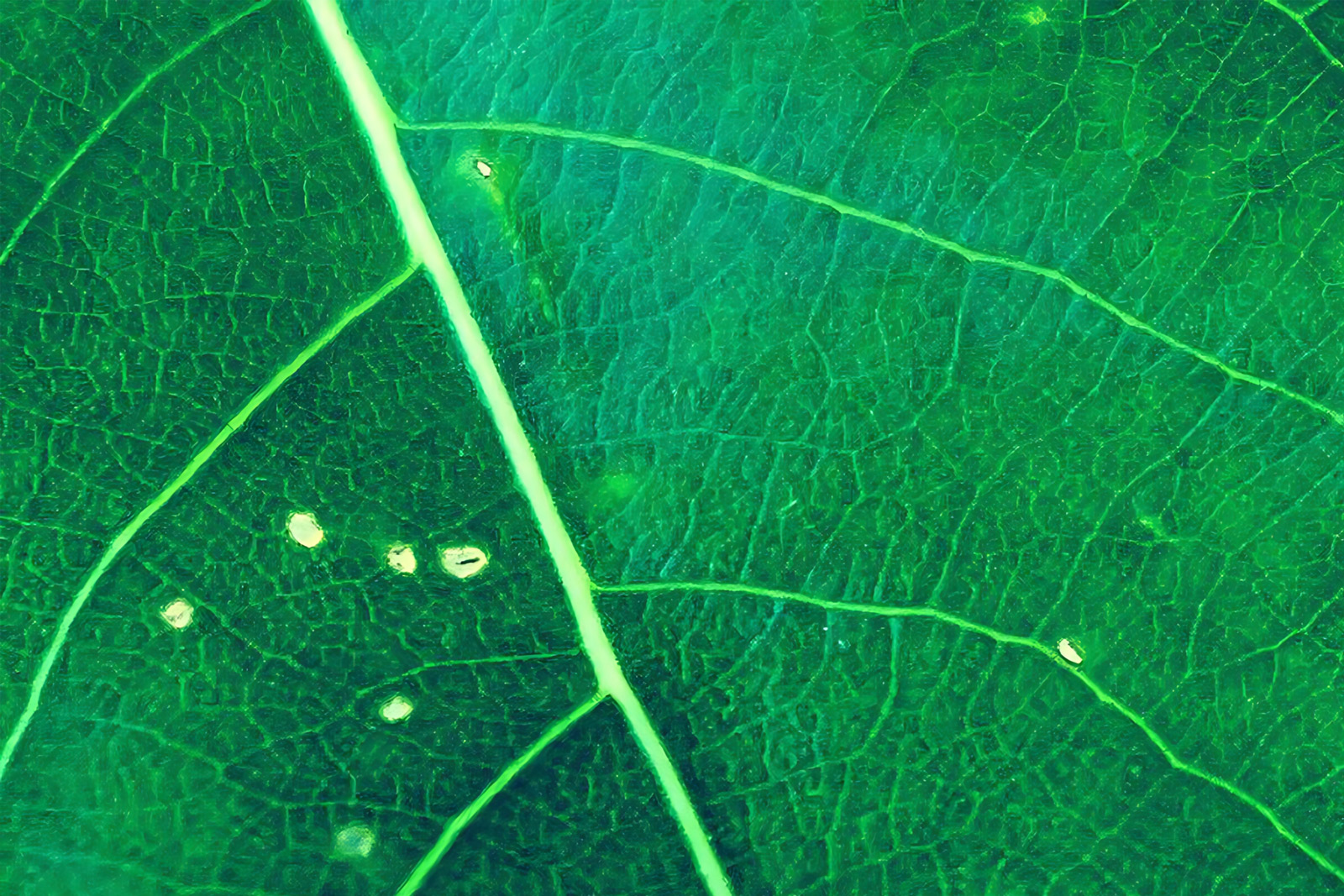
Photosynthesis happens mostly in the leaves.

Think of each leaf as a tiny green kitchen.

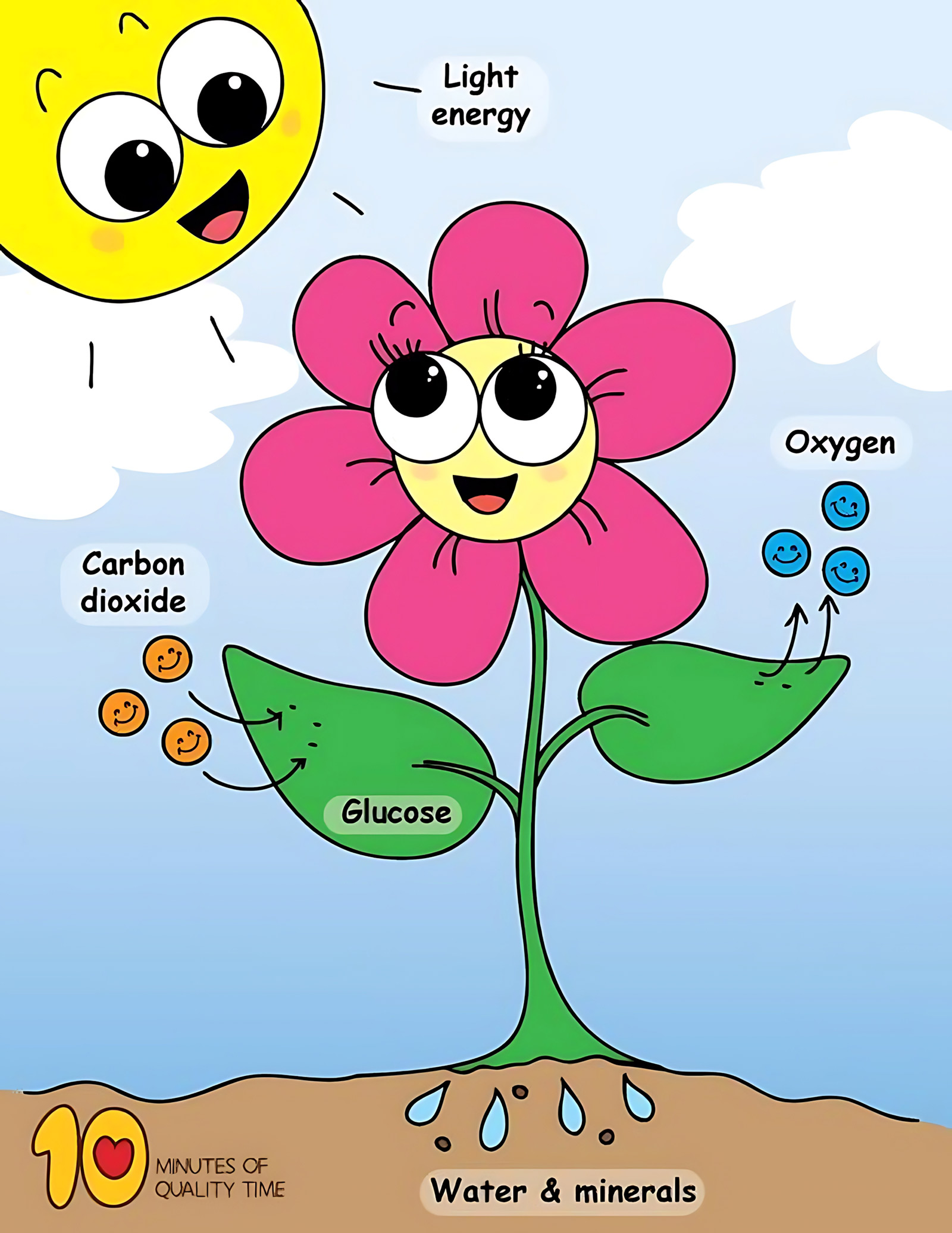
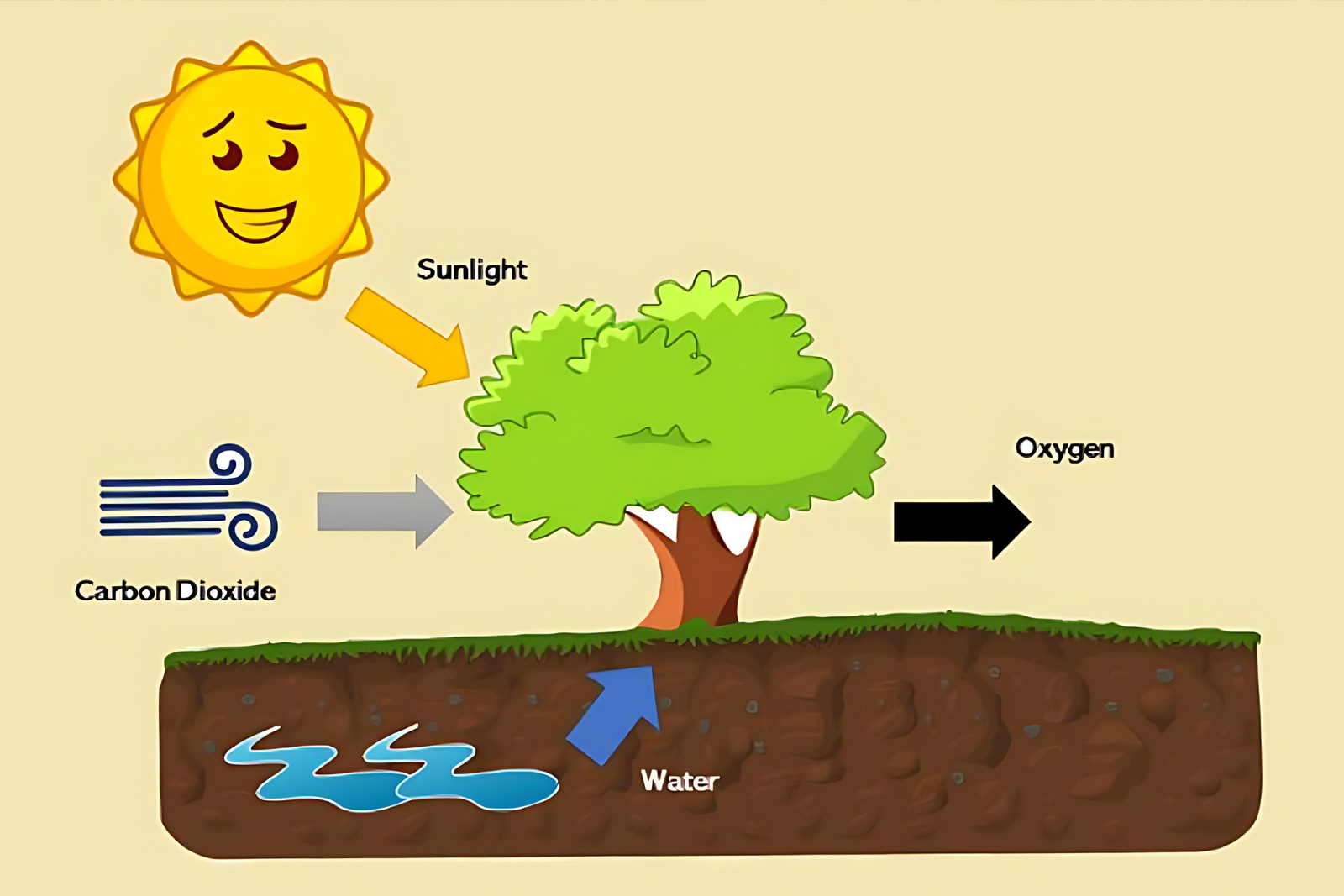
To make food, the plant needs:

☀️ Sunlight

💧 Water

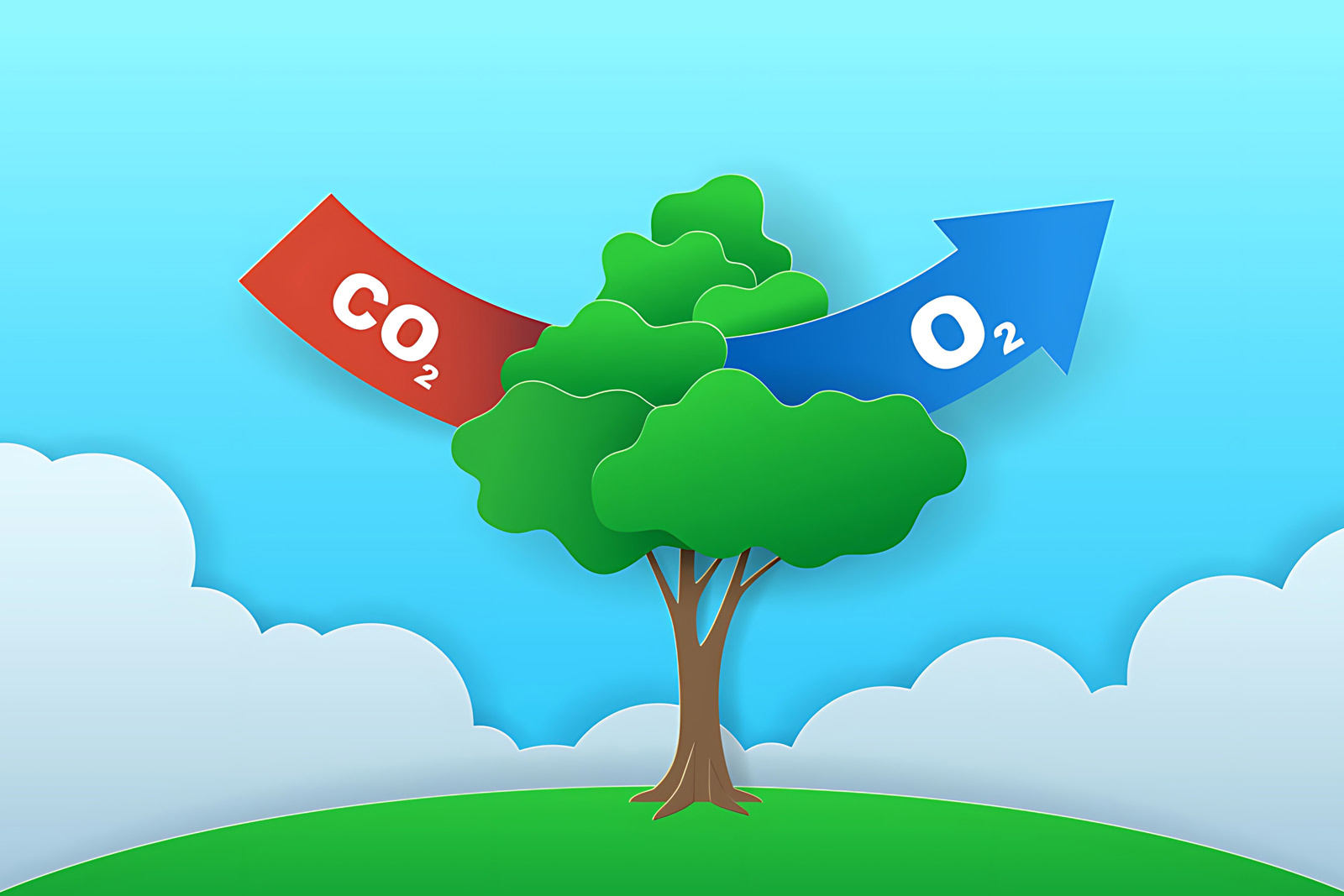
🌬️ Carbon dioxide from the air

The plant combines these ingredients to create sugar, which gives it energy to grow.

And there is another amazing part.

During photosynthesis, plants release oxygen into the air.

That is the same oxygen that people and animals need to breathe!

Your little pea plant is helping our planet every day.

🧬 The Secret Hidden Inside Your Seed

Before you planted your pea, it looked lifeless.

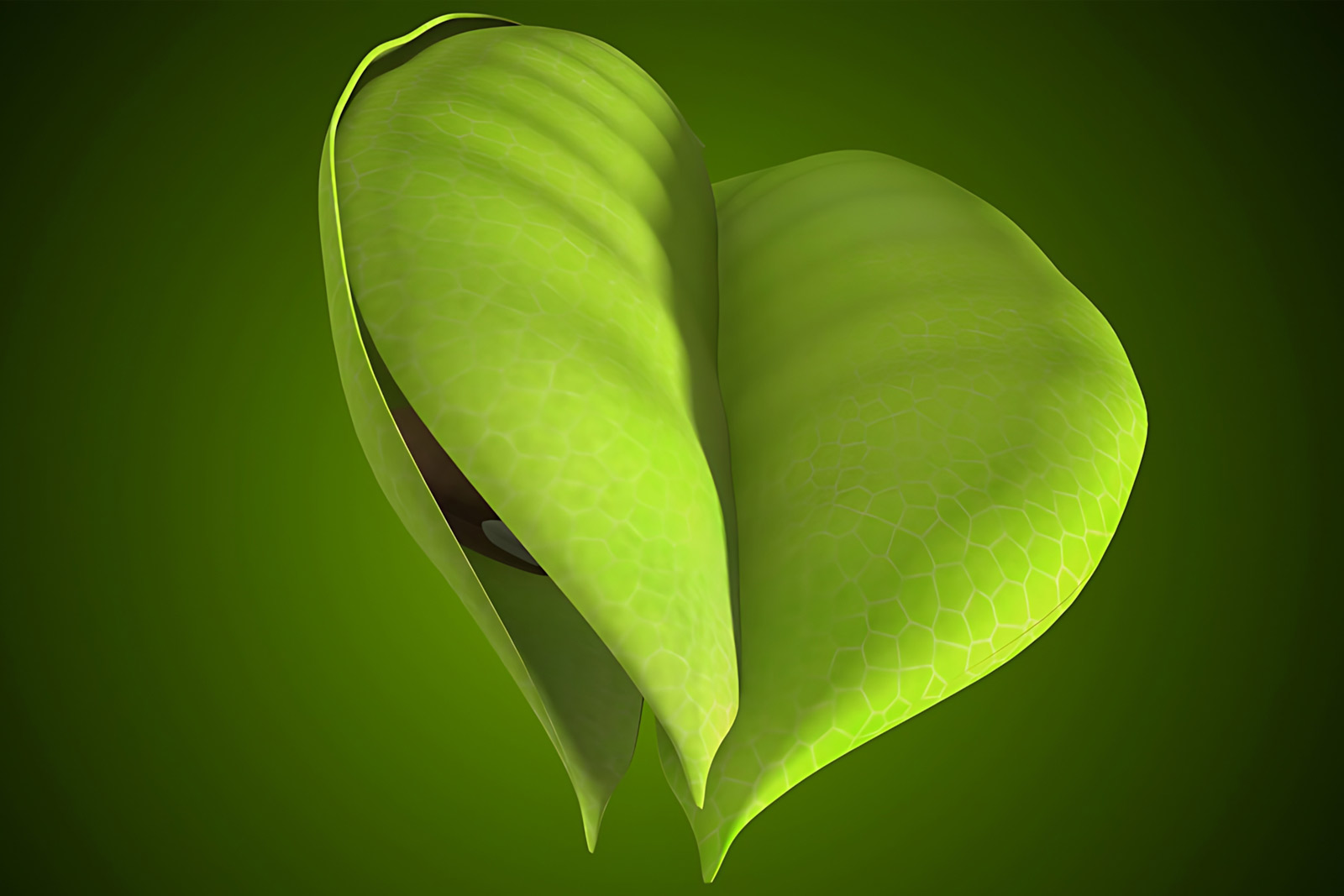
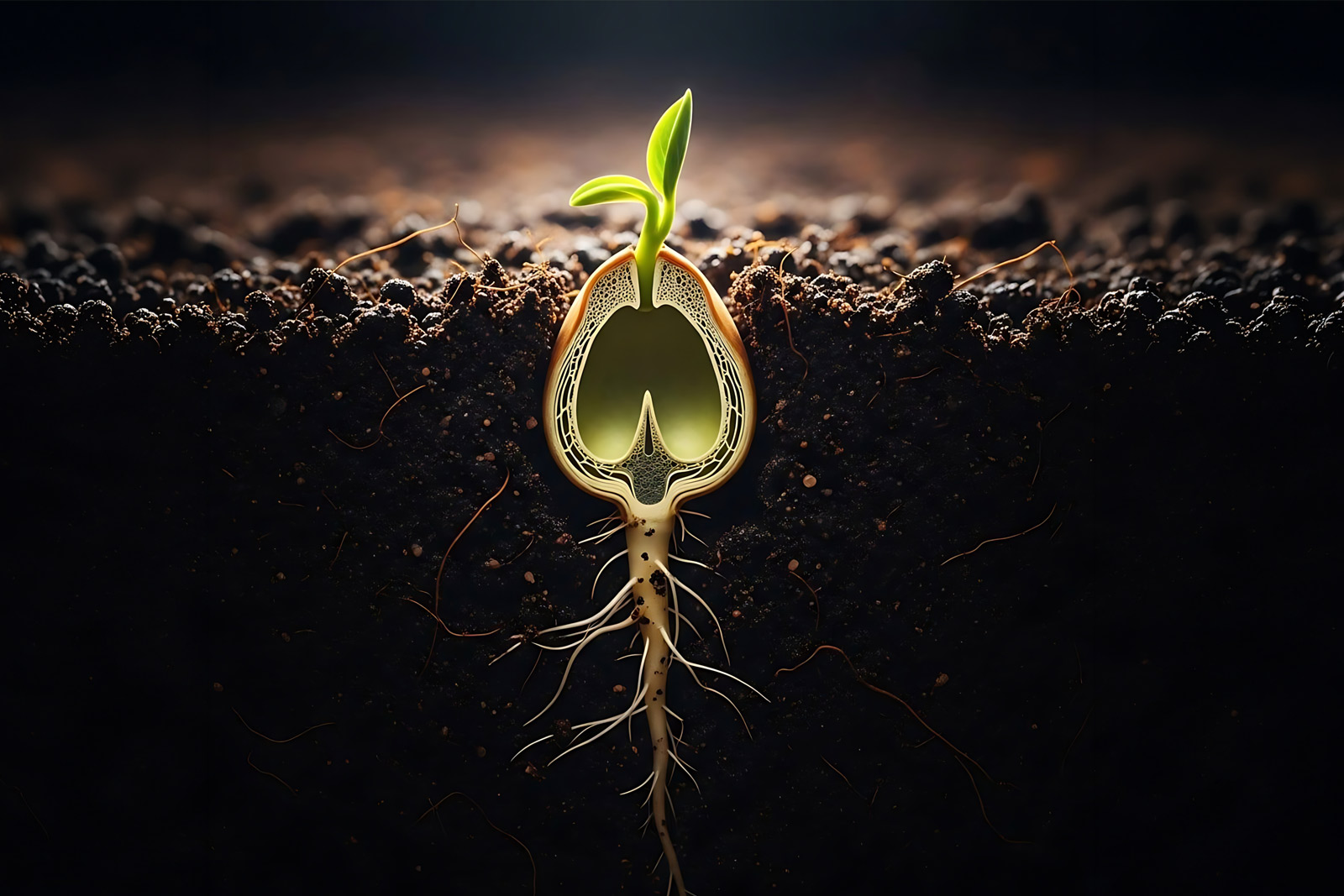
But hidden inside was a tiny living plant called an embryo.

The embryo already had:

🌱 A tiny root

🌿 A tiny stem

🍃 Tiny future leaves

The seed also contains stored food that acts like a packed lunch for the baby plant.

Only when water arrives does the growing adventure begin.

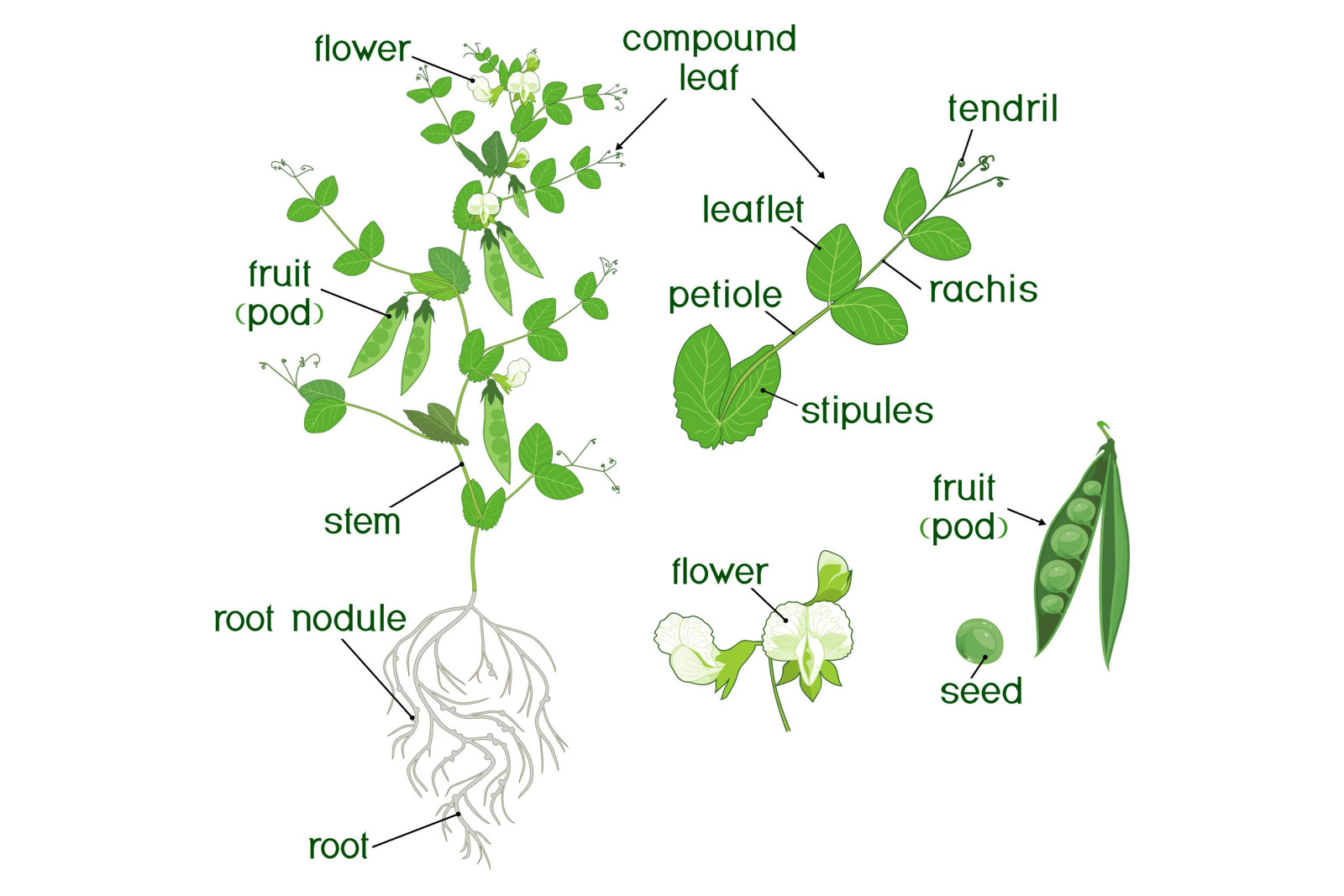
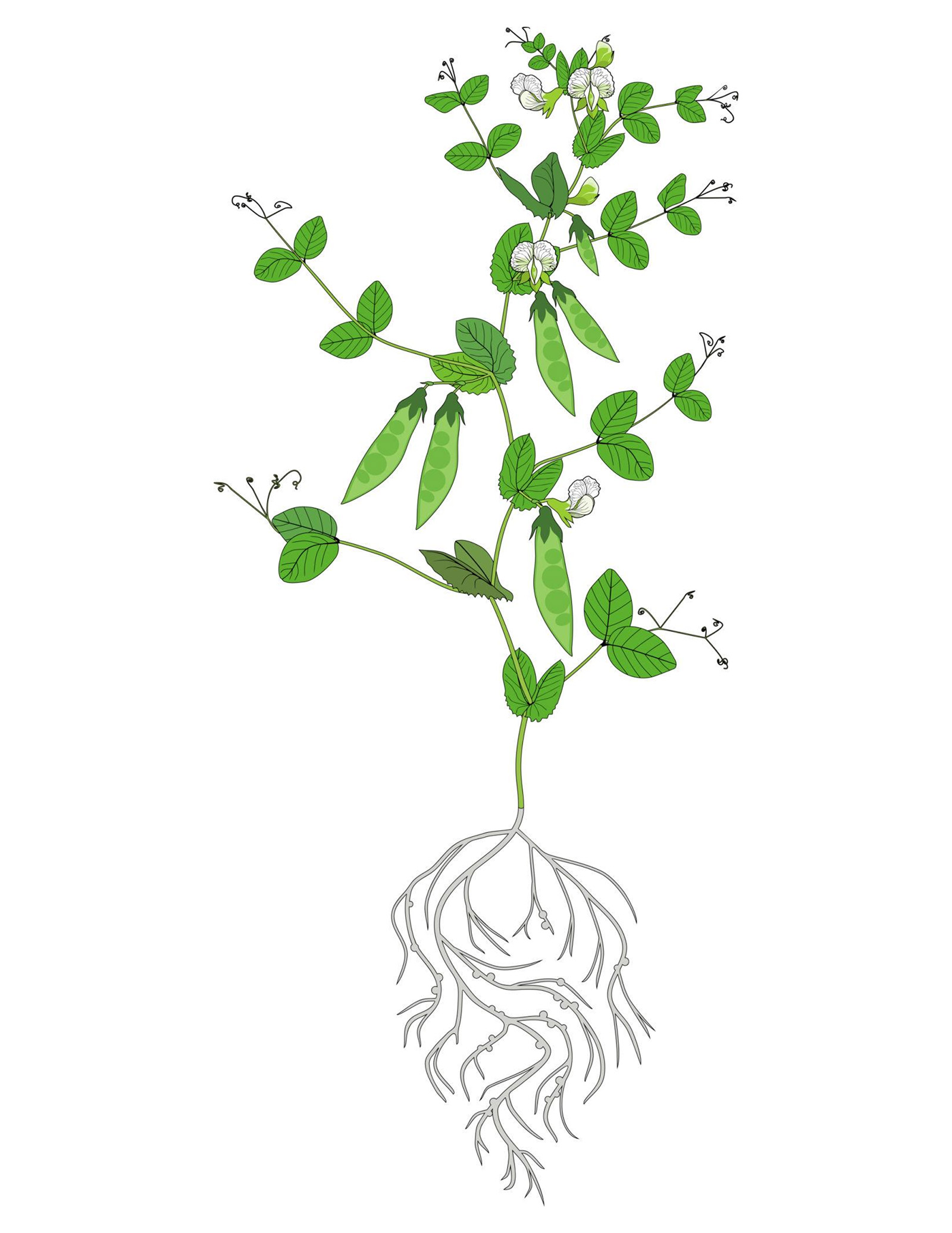
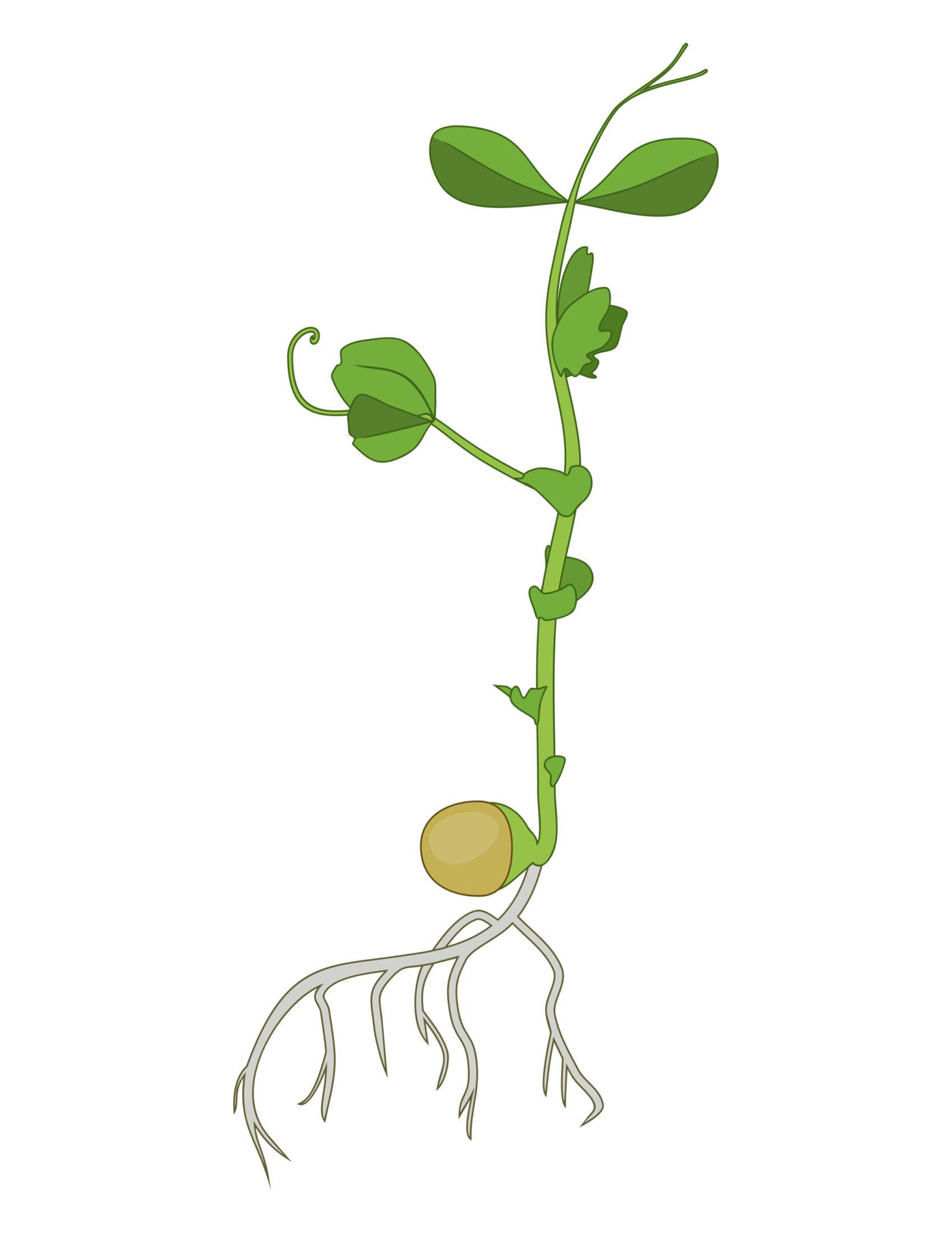
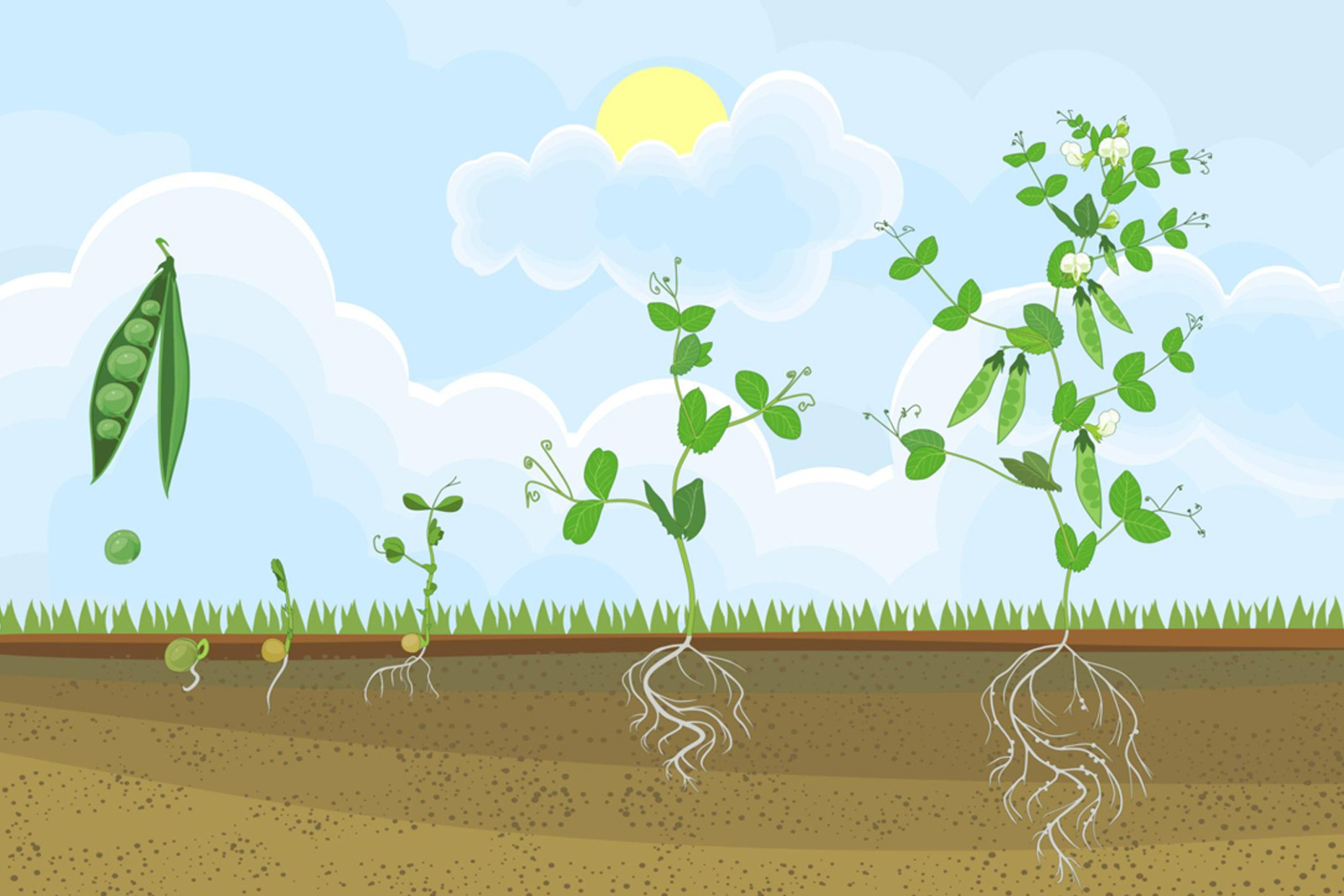
🌿 Parts of Your Pea Plant

Roots

Drink water and nutrients.

Stem

Supports the plant and transports water.

Leaves

Use photosynthesis to make food.

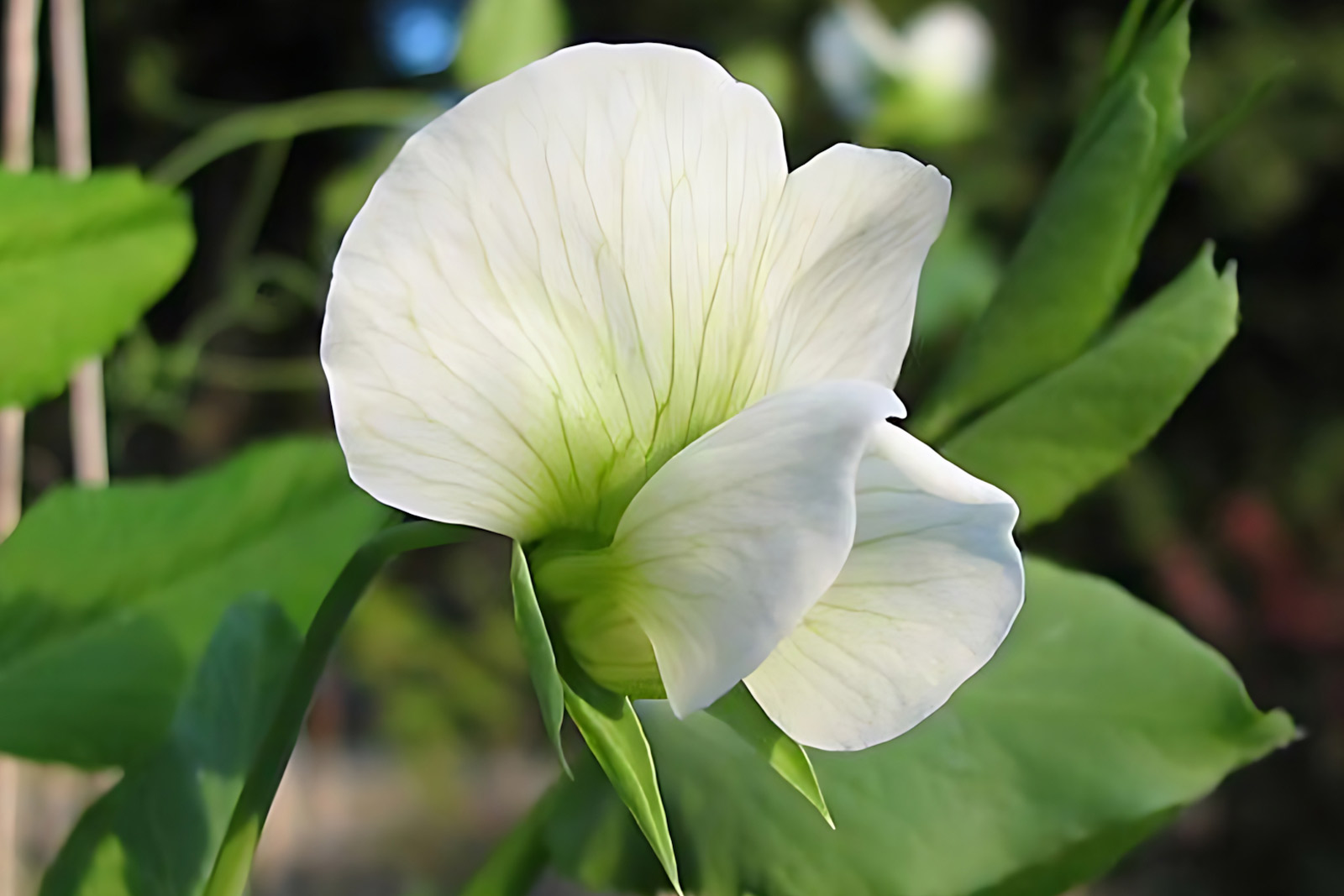
Flowers

Help produce seeds.

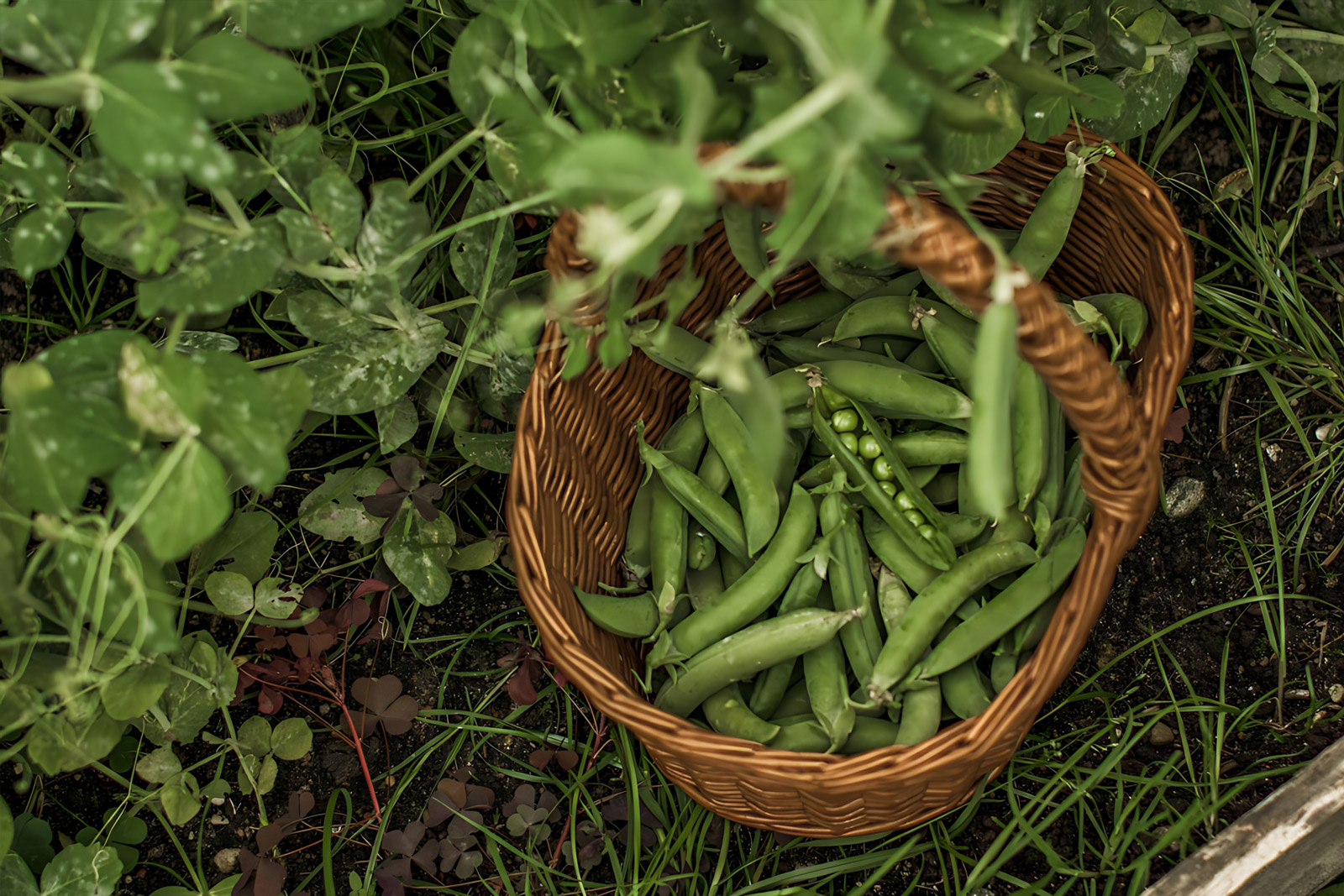
Pea Pods

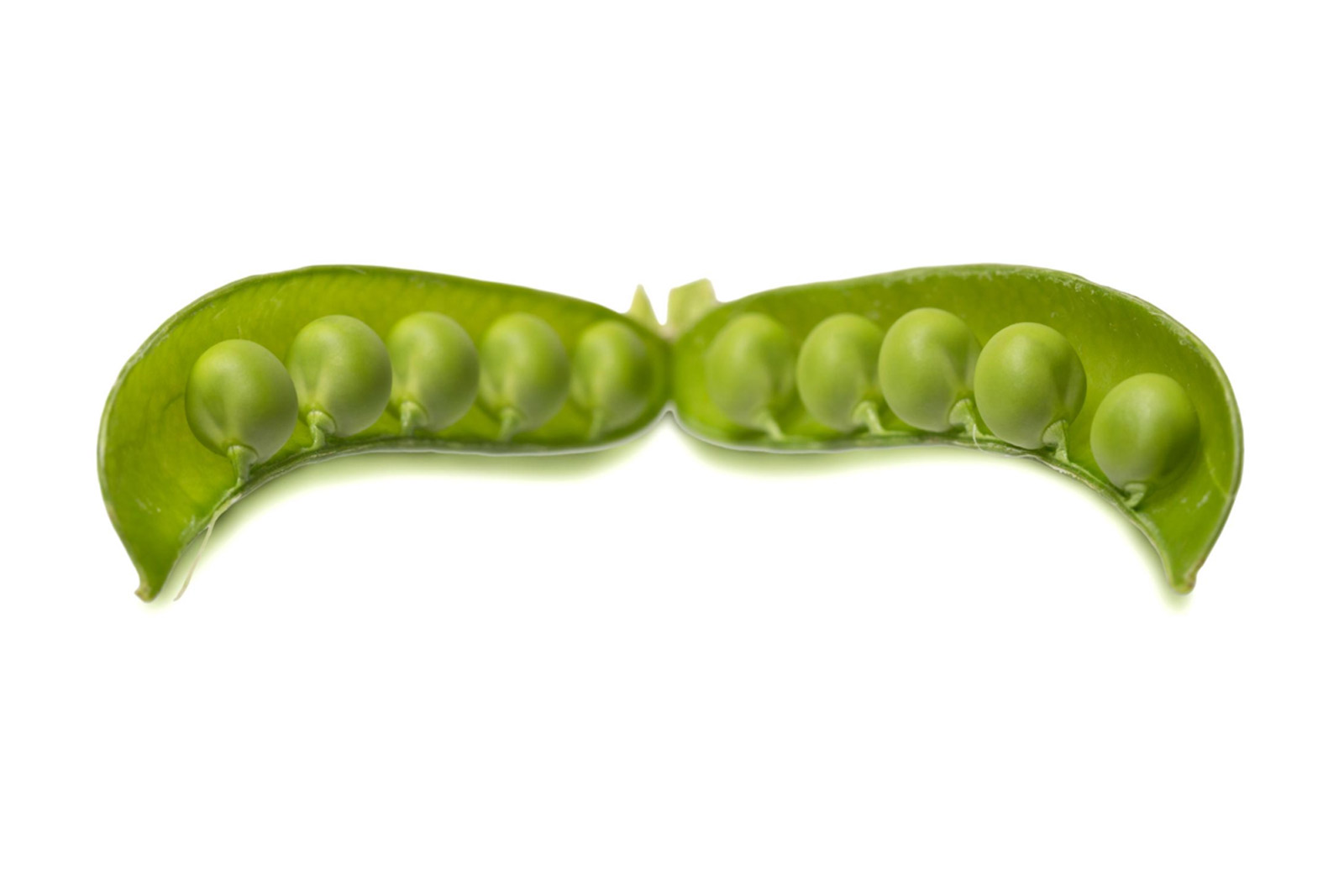
Contain the next generation of pea seeds.

🌼 Week 4–8: Growing Bigger

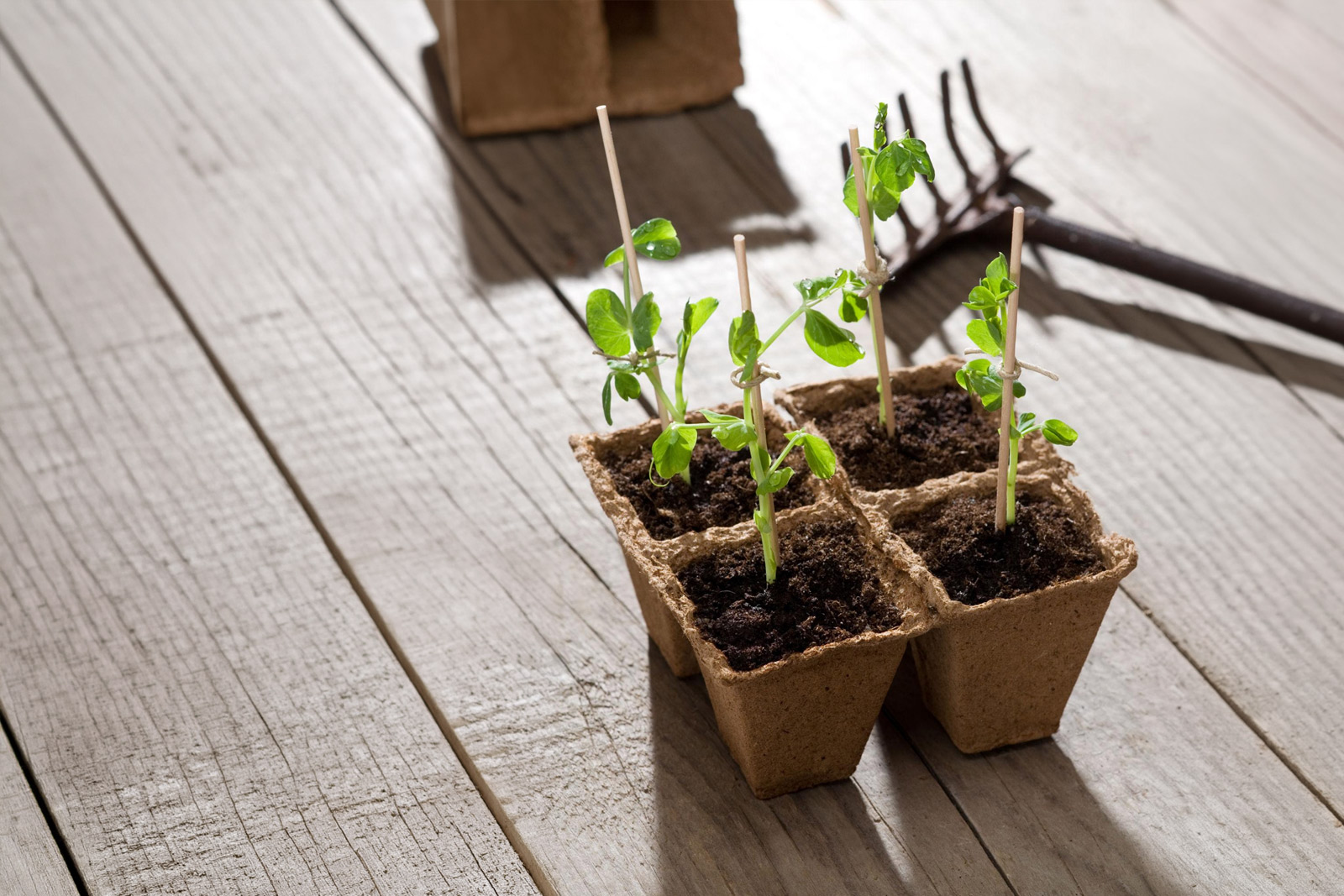
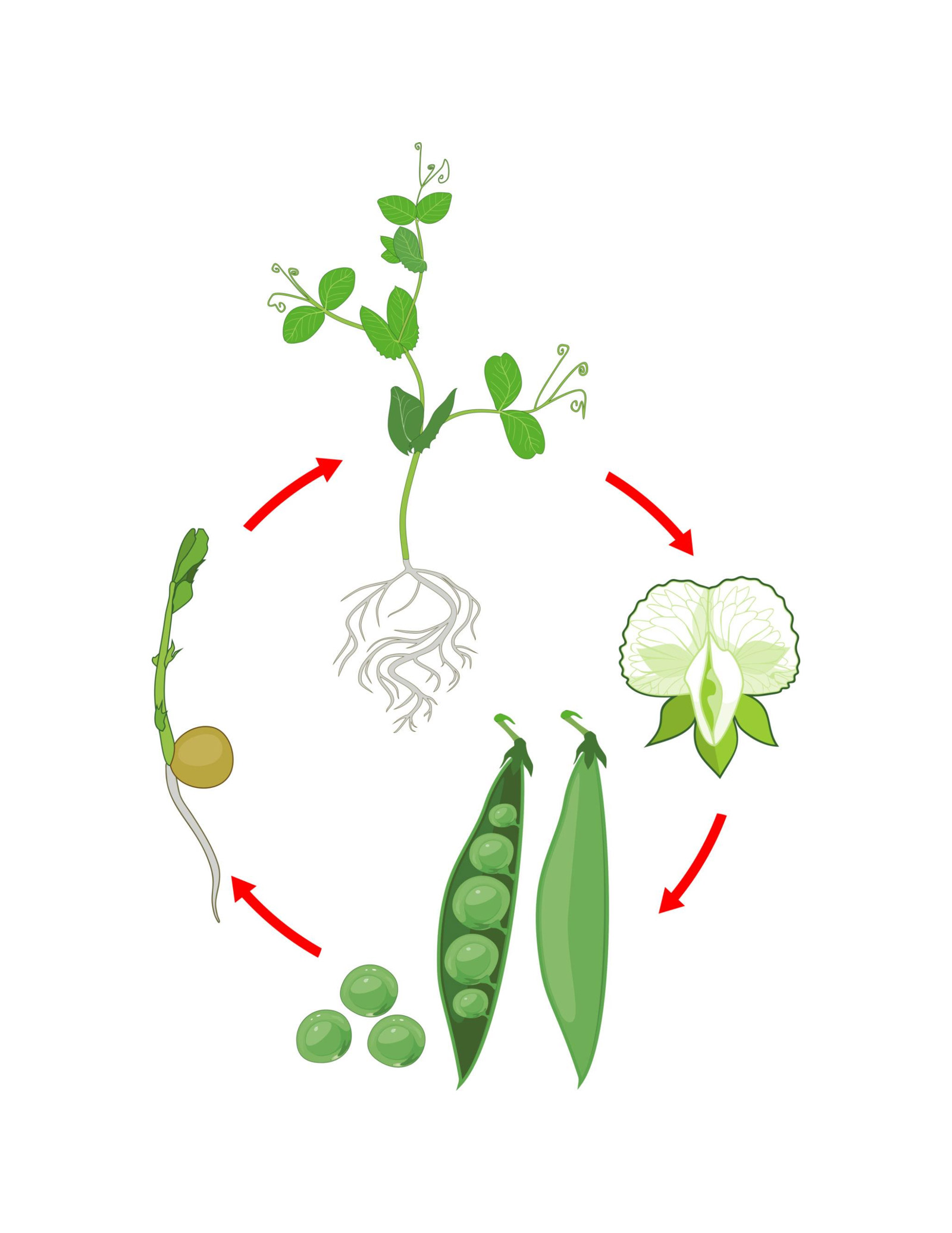
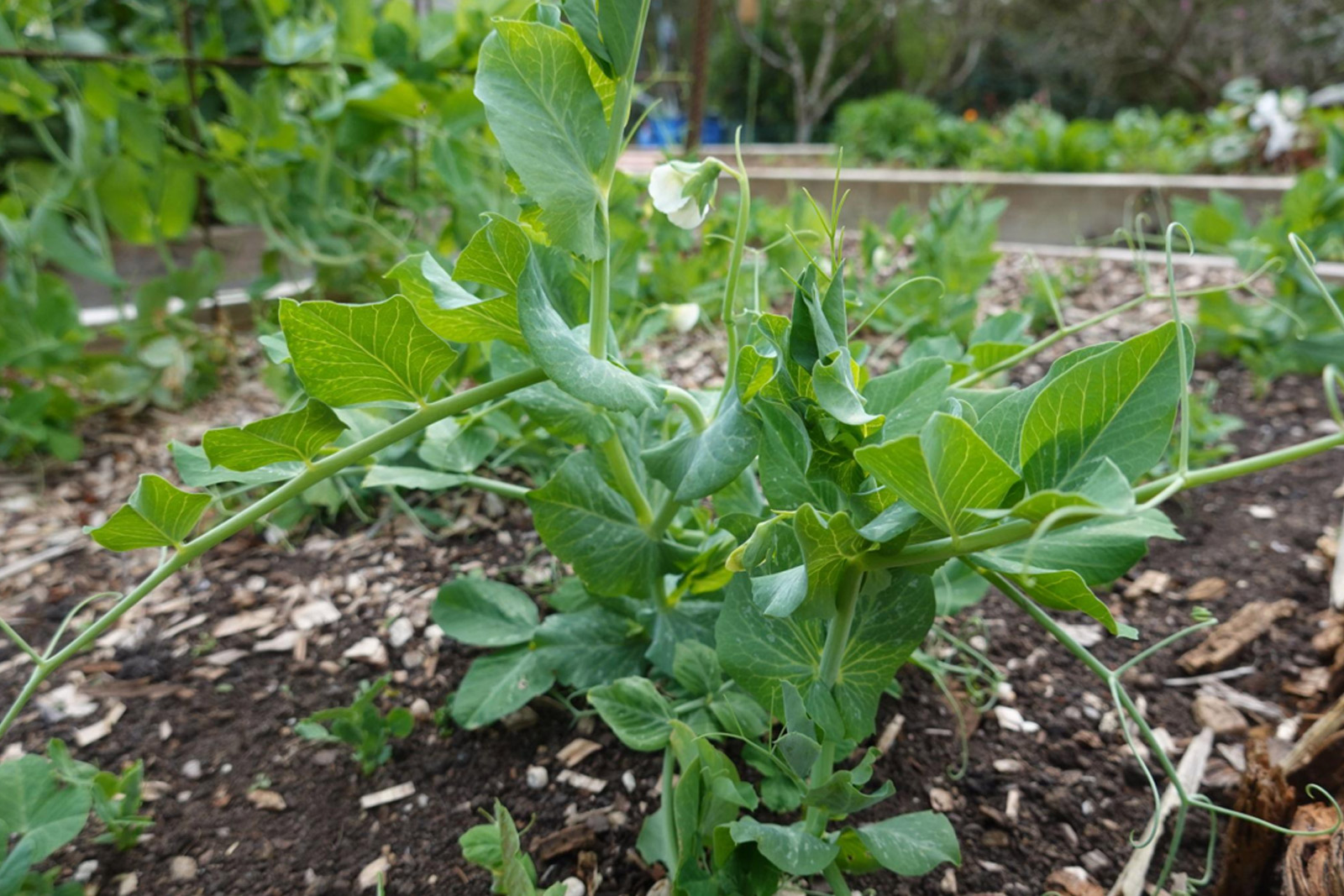
As your pea plant grows, it may begin to:

🌱 Grow taller

🌱 Develop more leaves

🌼 Produce flowers

🫛 Grow pea pods

Some pea plants can grow over 1 metre tall!

🌼 Week 4–8: Growing Bigger

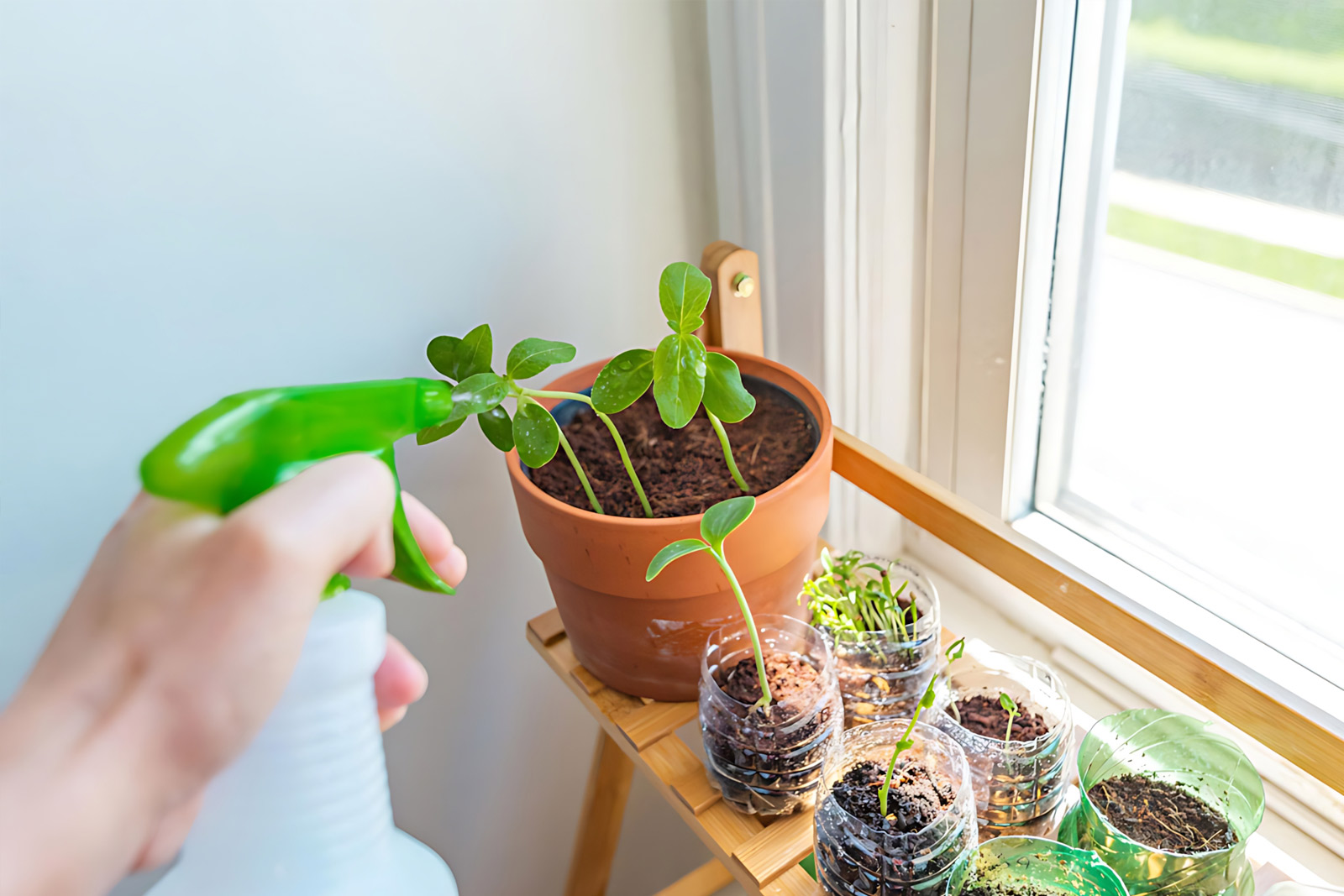
☀️ Give It Sunlight

Place your plant near a bright window.

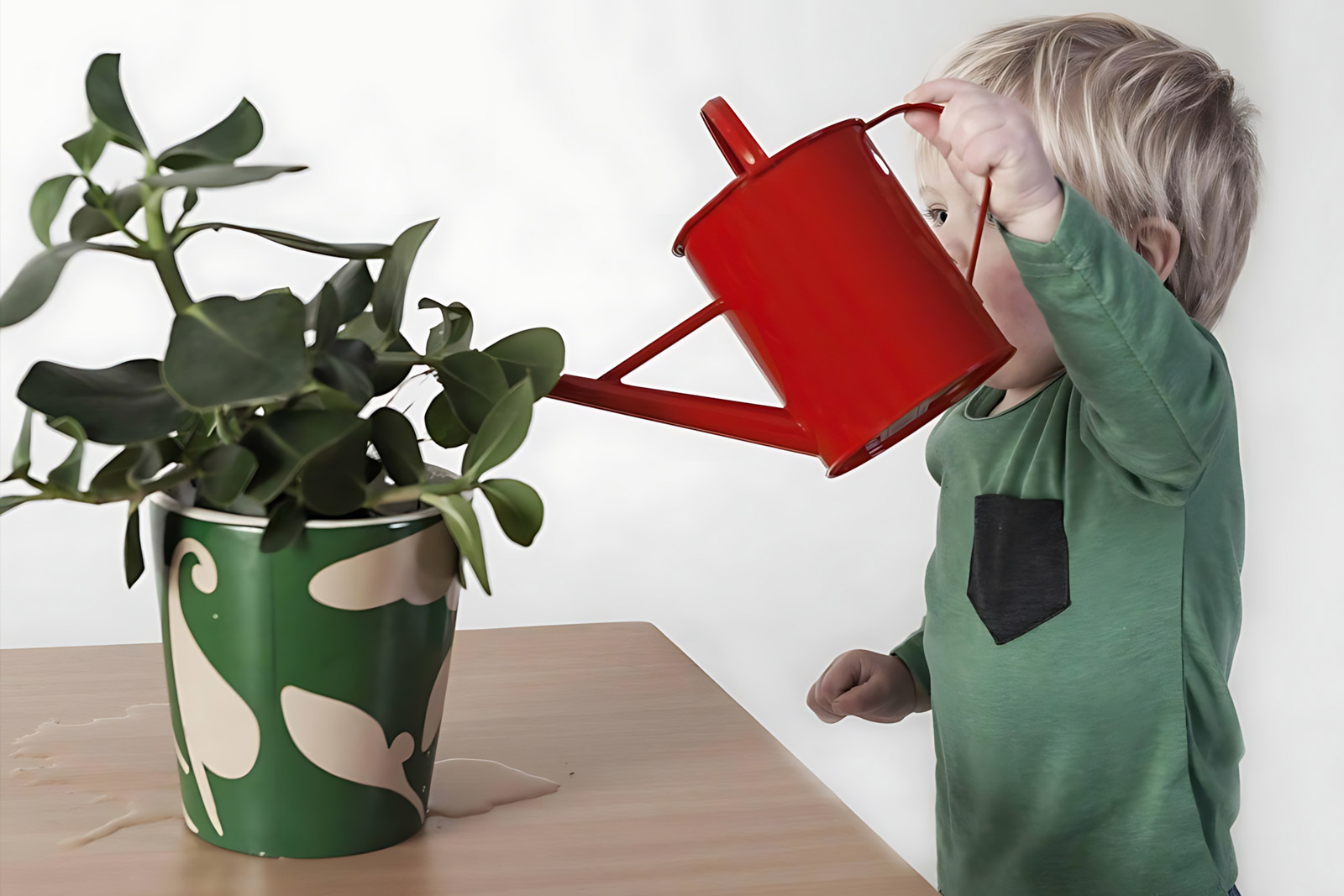
💧 Water Carefully

Keep the soil slightly damp.

Not too dry.

Not too wet.

🌱 Give It Space

As your plant grows, it may need a larger pot.

❤️ Be Patient

Plants grow slowly.

Even when you cannot see growth, important changes are happening underground.

🔬 Become a Plant Detective

Scientists observe carefully.

Can you find:

☐ The first root

☐ The first shoot

☐ The first leaf

☐ Two leaves

☐ Four leaves

☐ A plant taller than your hand

☐ A flower

☐ A pea pod

📏 Growth Tracker

Day Height Number of Leaves What I Notice
1
4
7
10
14
21
28

🧪 Try These Experiments

Experiment 1: Sunlight Challenge

Place one plant near sunlight and another in a darker place.

Which grows better?

Why?

Experiment 2: Measuring Growth

Measure your plant every two days.

Can you create a graph?

Experiment 3: Turn the Pot

Turn your plant around.

Watch what happens after a few days.

Does it grow toward the sunlight?

Scientists call this phototropism.

🤔 Amazing Pea Facts

🌱 Peas are among the oldest crops grown by humans.

🌱 Pea plants belong to the legume family.

🌱 Peas help improve soil quality.

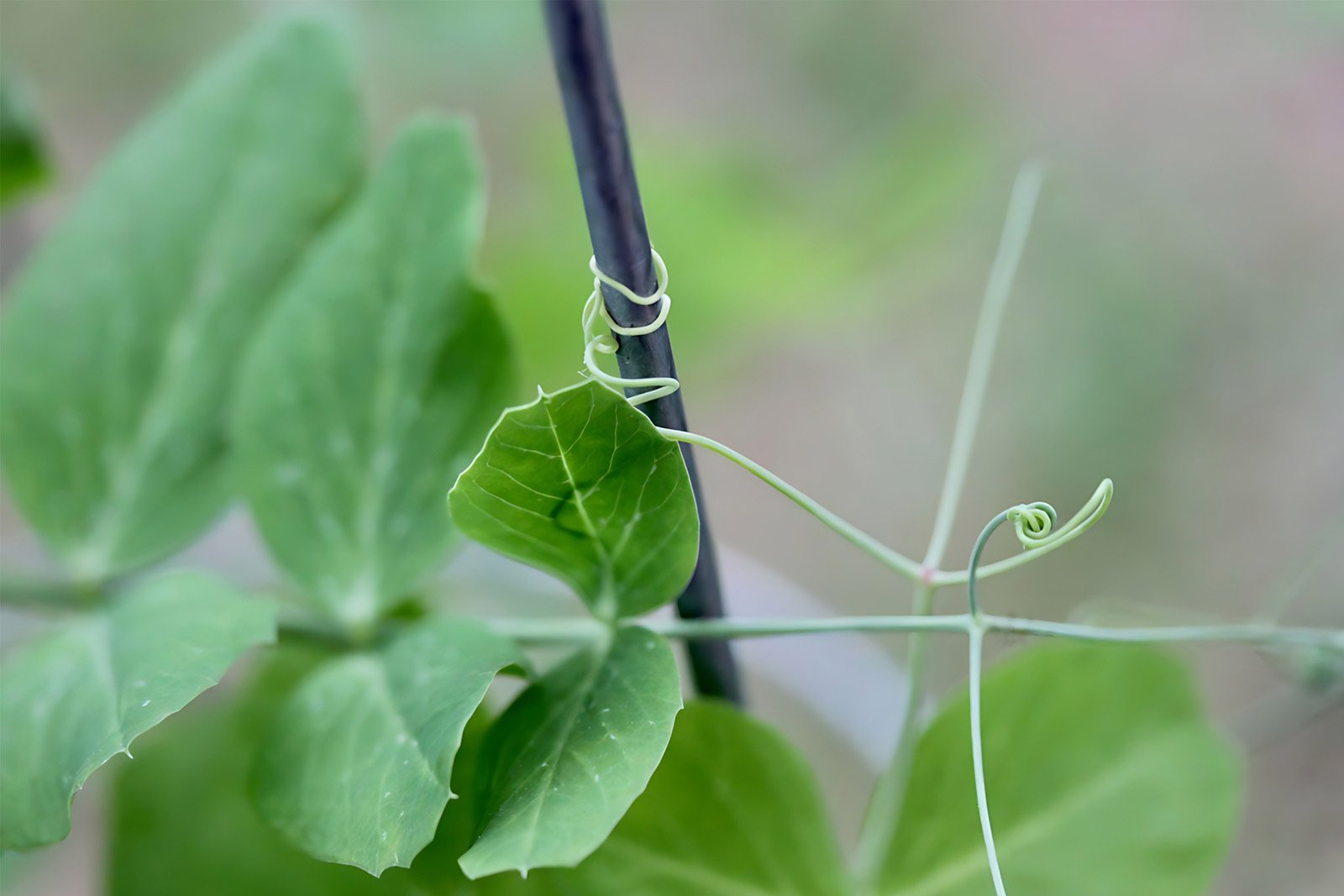
🌱 Some pea plants can climb fences and trellises.

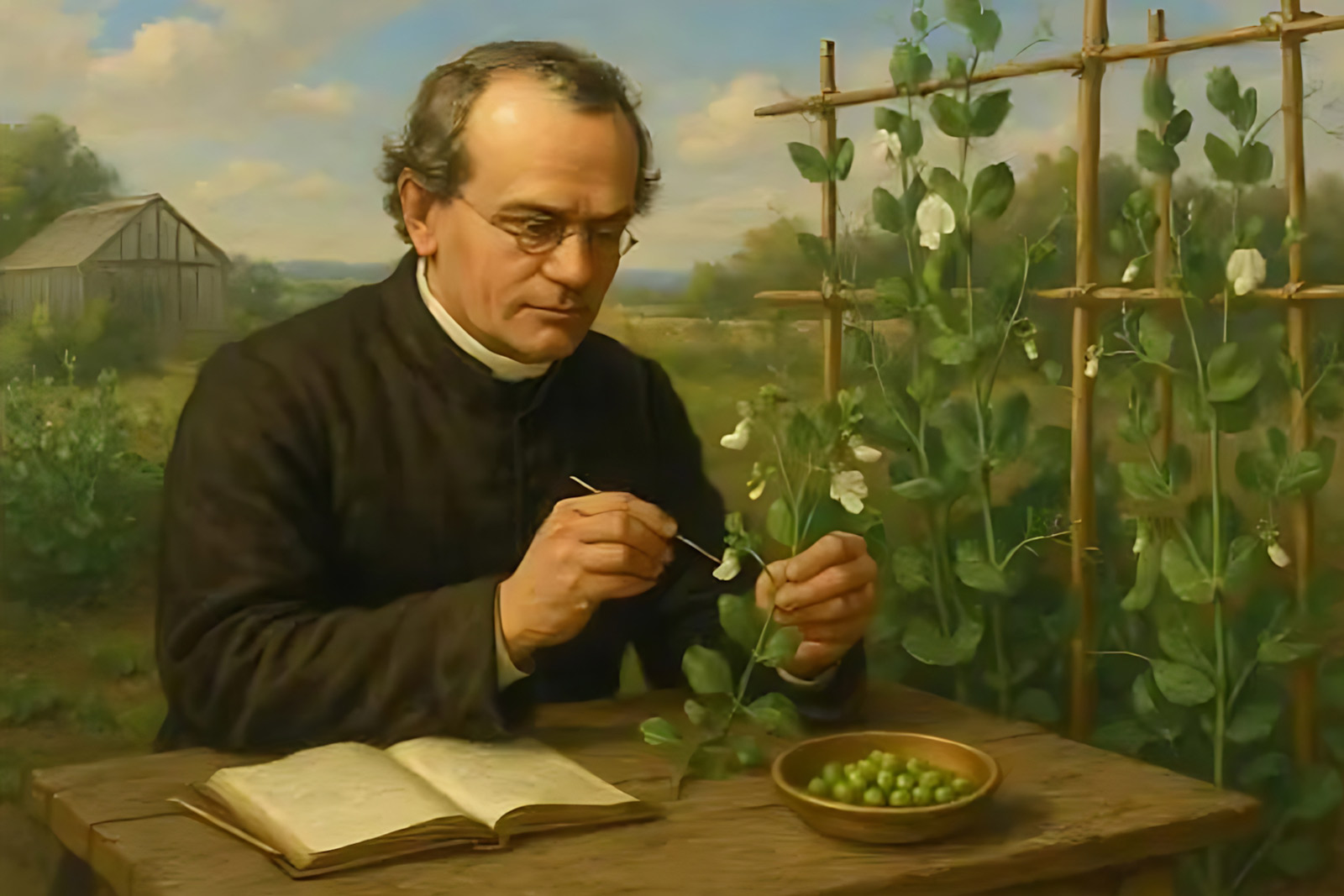
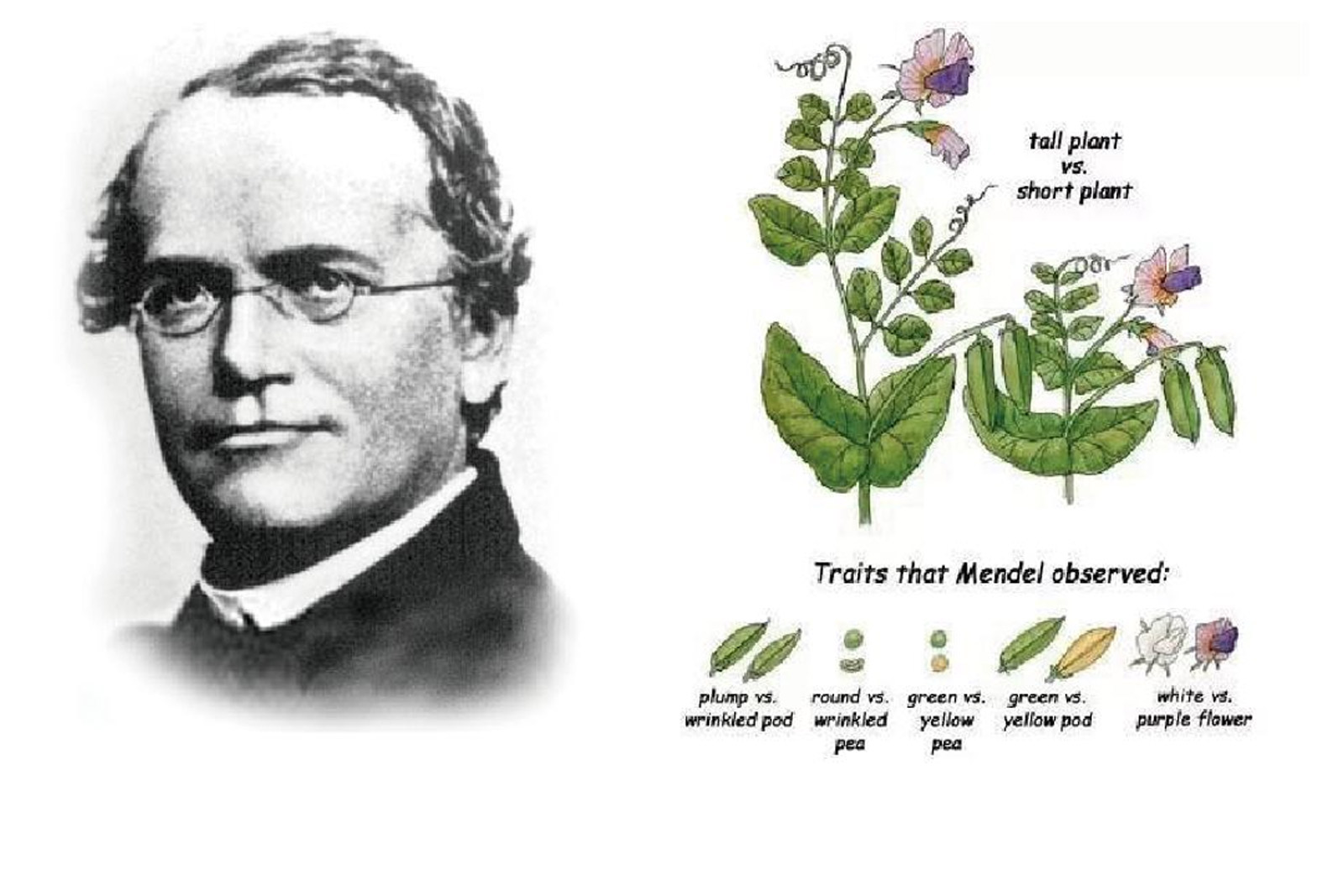
🌱 Famous scientist Gregor Mendel used pea plants to discover how traits are passed from parents to offspring.

His discoveries became the foundation of modern genetics.

🌎 Why Plants Matter

Plants make life on Earth possible.

They:

💚 Produce oxygen

💚 Provide food

💚 Support animals

💚 Clean the air

💚 Help fight climate change

Every giant tree started as a tiny seed.

Just like your pea.

🏆 Junior Plant Scientist Certificate

When your pea plant reaches 20 cm, take a photo and celebrate!

You have successfully:

✅ Grown a living plant

✅ Learned about roots, stems, and leaves

✅ Discovered photosynthesis

✅ Practised scientific observation

✅ Helped nature grow

Congratulations!

You are officially a Junior Plant Scientist! 🌱🔬🏆

📸 Share Your Plant’s Journey!

Take photos every week and create your own time-lapse story.

Remember:

Every great scientist starts by being curious.

Keep observing, keep asking questions, and enjoy watching your tiny seed become something amazing! 🌱✨

Would you like to know more about ISD and the future-proof learning?

Sign up for our newsletter.

* indicates required

Intuit Mailchimp