Are Good Grades Alone No Longer Enough?
How We Can Prepare Our Children for a Happy and Successful Future
To grow into happy, well-balanced adults who find their place in the world, love what they do and can thrive independently. For more and more parents, these goals are at least as important as strong academic results. But are today’s schools preparing children for this? Education for the future must do more than impart knowledge: it must develop the skills, confidence and mindset that will support young people throughout their lives.
The World Is Changing—and So Are Parents’ Expectations of Schools

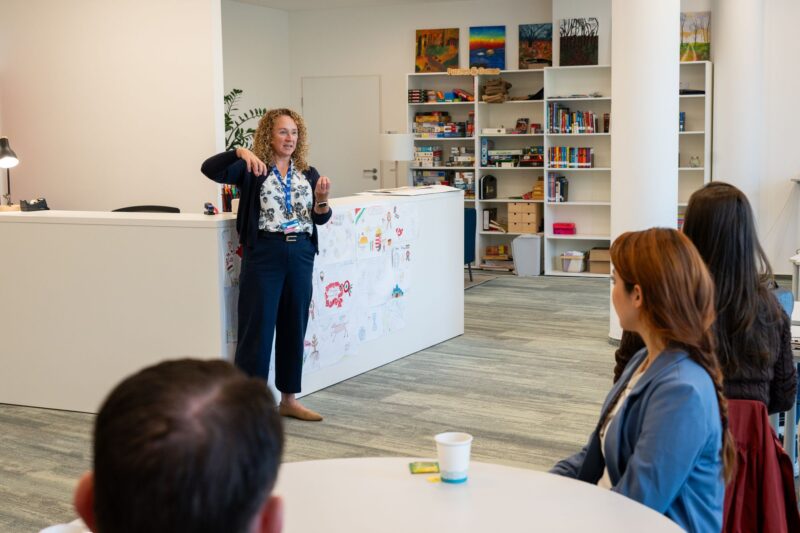
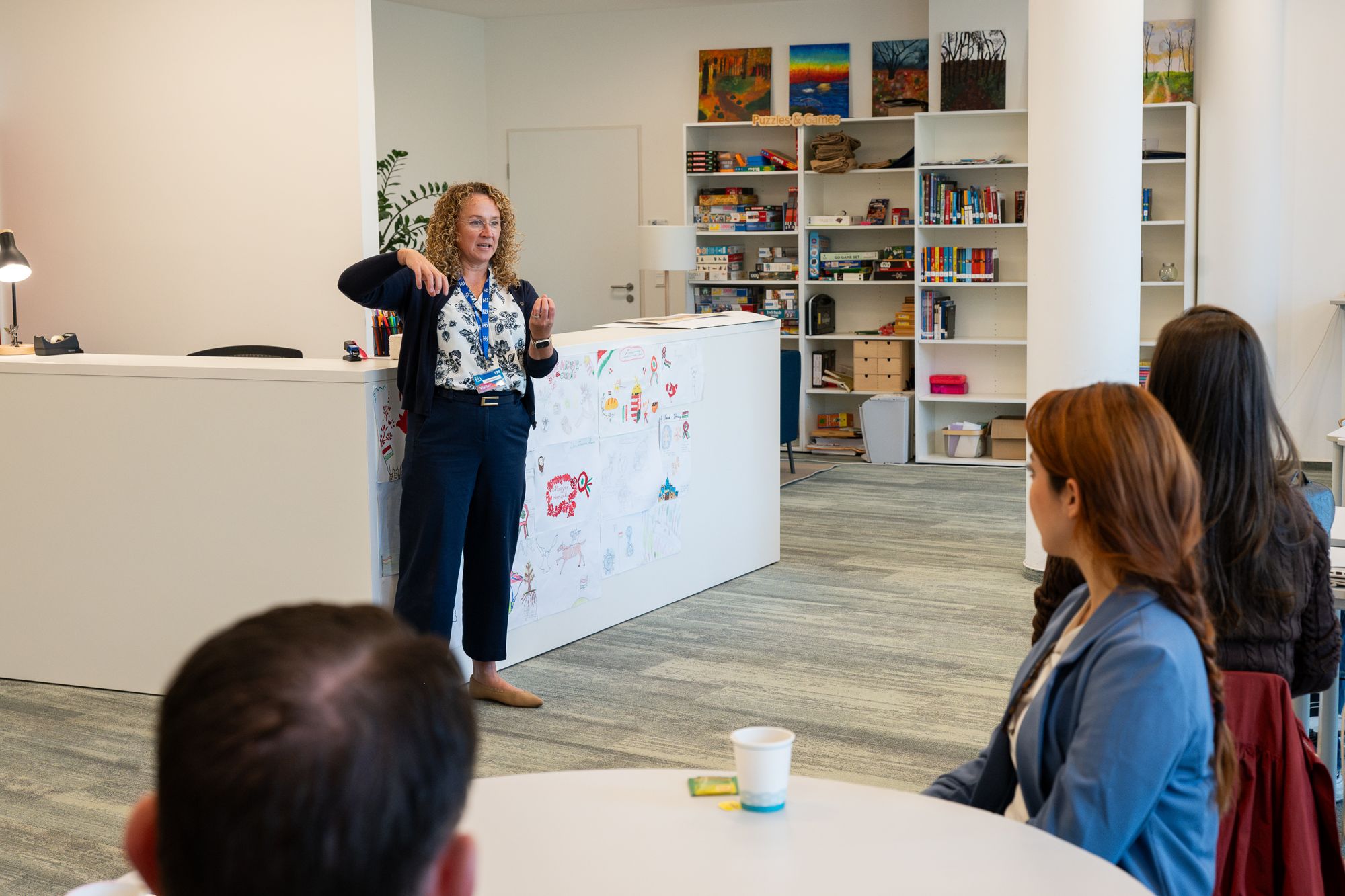
A few decades ago, for many families, a successful education primarily meant good grades, an excellent school report and then a degree promising a secure livelihood. While high-quality academic learning remains important, parents are taking an increasingly holistic view of what a successful future means for their children. Dr. Jean-Marie Kahn, ISD’s incoming Director, who will join from Frankfurt International School (FIS) and take over the leadership of the school from Tom McLean in summer 2027, observes the same trend:
Traditional education focuses solely on teaching, whereas many schools have already made the shift towards teachers focusing on students’ learning. Of course, this requires educators and learning environments that take individual abilities and collaborative learning into account.
Alongside financial security, parents increasingly want their children to become happy, well-balanced adults, maintain good mental health, find work that brings them joy and have the courage to follow their own path.
Traditional, one-way knowledge transmission is no longer enough to achieve this.
The OECD’s 2024 international study, Social and Emotional Skills for Better Lives, also highlighted the strong links between children’s social and emotional skills and their life satisfaction, academic achievement, levels of school anxiety and aspirations for the future.
An important message of the study is that academic success and personal well-being are not separate goals. Developing the right skills can support both.
The question, then, is no longer simply how much knowledge a child gains at school, but also what kind of person they become during their school years. According to Dr. Kahn, one of the most significant changes in international education is the growing shift in focus from the content delivered by the teacher to what the child has actually learned.
Preparing for a Future We Cannot Yet Predict
The rise of artificial intelligence, technological advances and the continuing transformation of the labour market are fundamentally changing the knowledge and abilities people will need in the coming decades.
According to the World Economic Forum’s Future of Jobs Report 2025, employers expect 39% of the core skills required in the labour market to change by 2030.
The report identifies analytical thinking, resilience and adaptability, creativity and self-awareness among the most important workplace skills. Curiosity and the ability to engage in lifelong learning are also becoming increasingly important.
All of this creates new expectations for education.
Children still need a solid foundation in mathematics, science, languages and other subjects. The real difference, however, lies in whether they can connect that knowledge, apply it and use it in unfamiliar situations.
According to Dr. Jean-Marie Kahn, who will become Director of the International School of Debrecen in summer 2027, one of the key tasks of future-ready education is to develop precisely this way of thinking. Another essential element is embedding “Extraordinary Care” as a school-wide commitment.
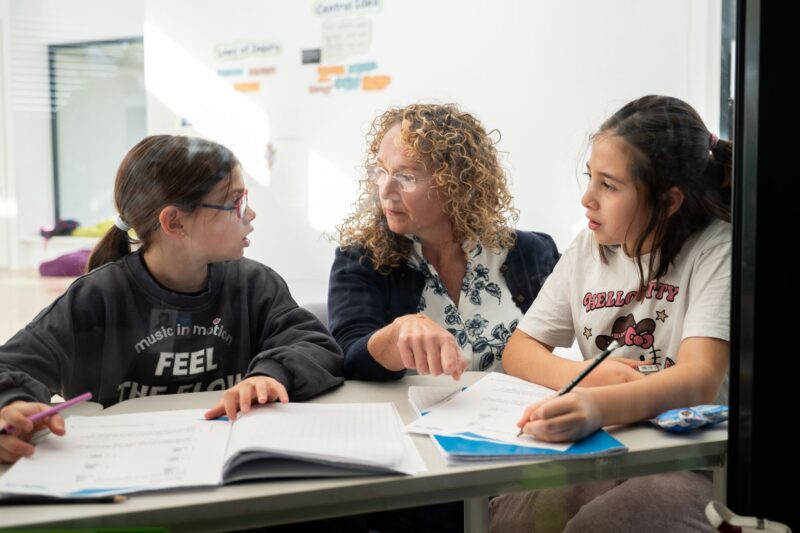
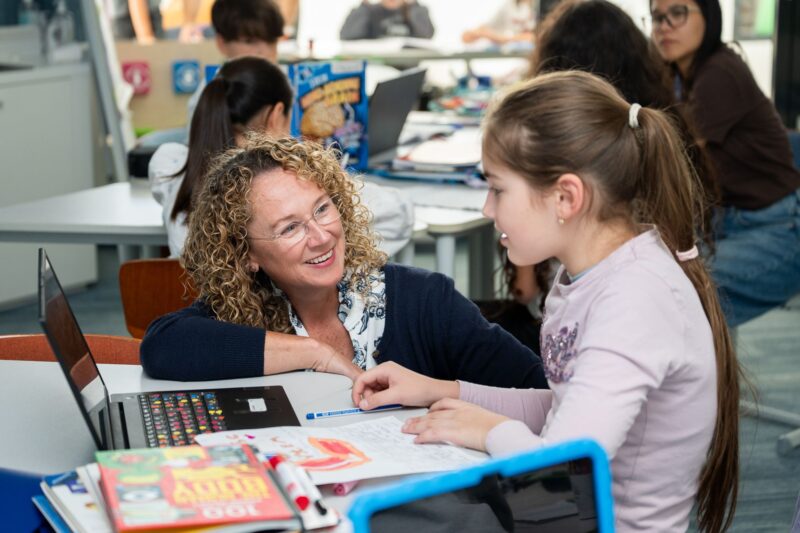
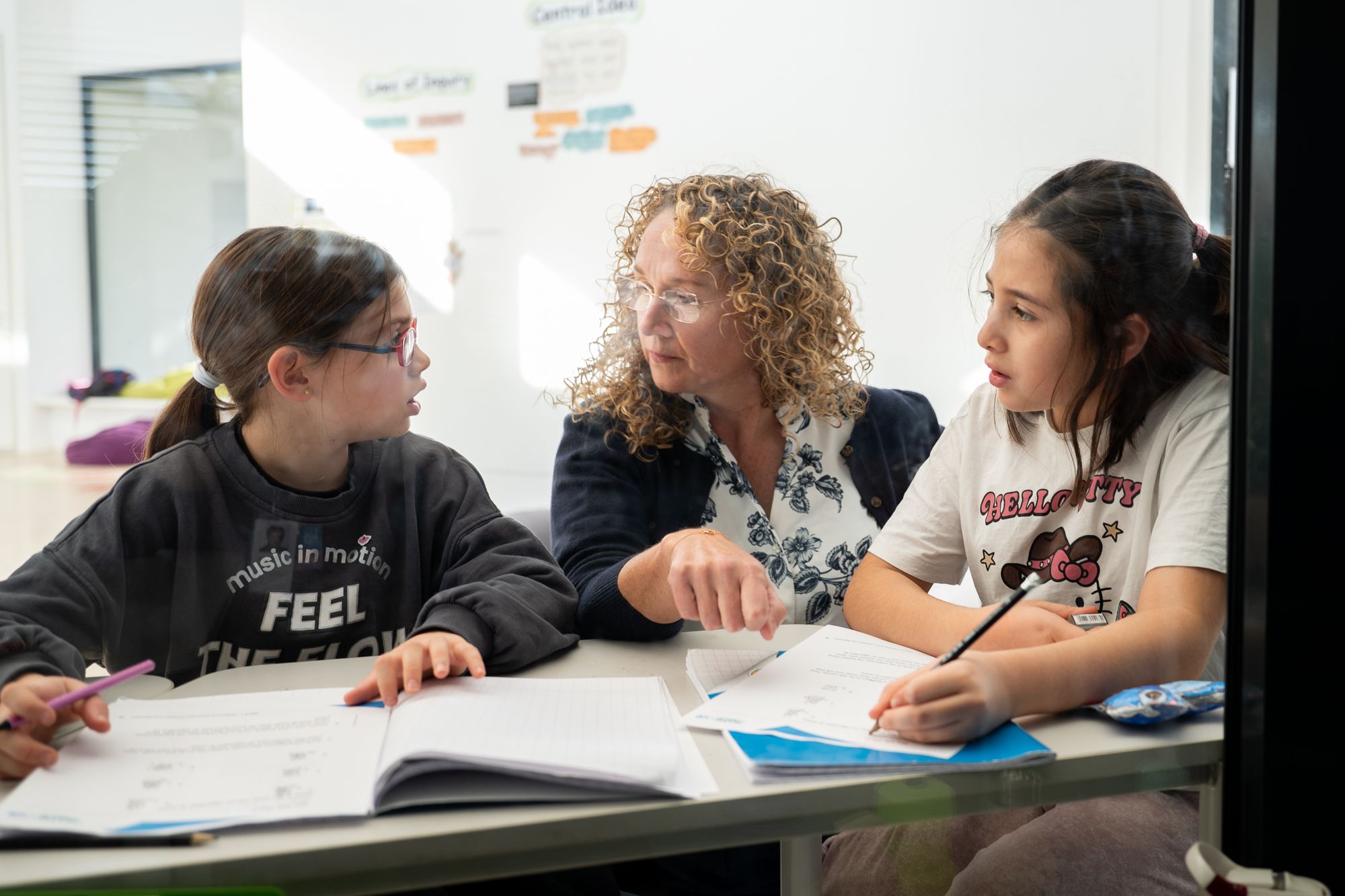
With more than 25 years of international educational experience, Dr. Kahn believes that attentive care in a rapidly changing world also helps children develop critical thinking, the ability to ask questions, to inquire and to learn independently. Personalised attention means both nurturing talent and providing the support each child needs.
Schools Should Offer Not Only Knowledge, but Also a Compass for Life
What is the value of knowledge if a child cannot use it in everyday life? If they can recall something they have learned but cannot make an independent decision, work with others or solve an unexpected problem? One of the most important tasks of modern education is to bridge the gap between classroom learning and real life.
These abilities are often called life skills: skills that help us navigate everyday life and thrive. The goal is not for a school to determine a child’s path in advance. Rather, it is to give them a compass: to help them understand themselves, recognise their opportunities and learn to make responsible decisions about their own future.
No Two Children Are Alike. Why Should We Expect Them to Learn in the Same Way?

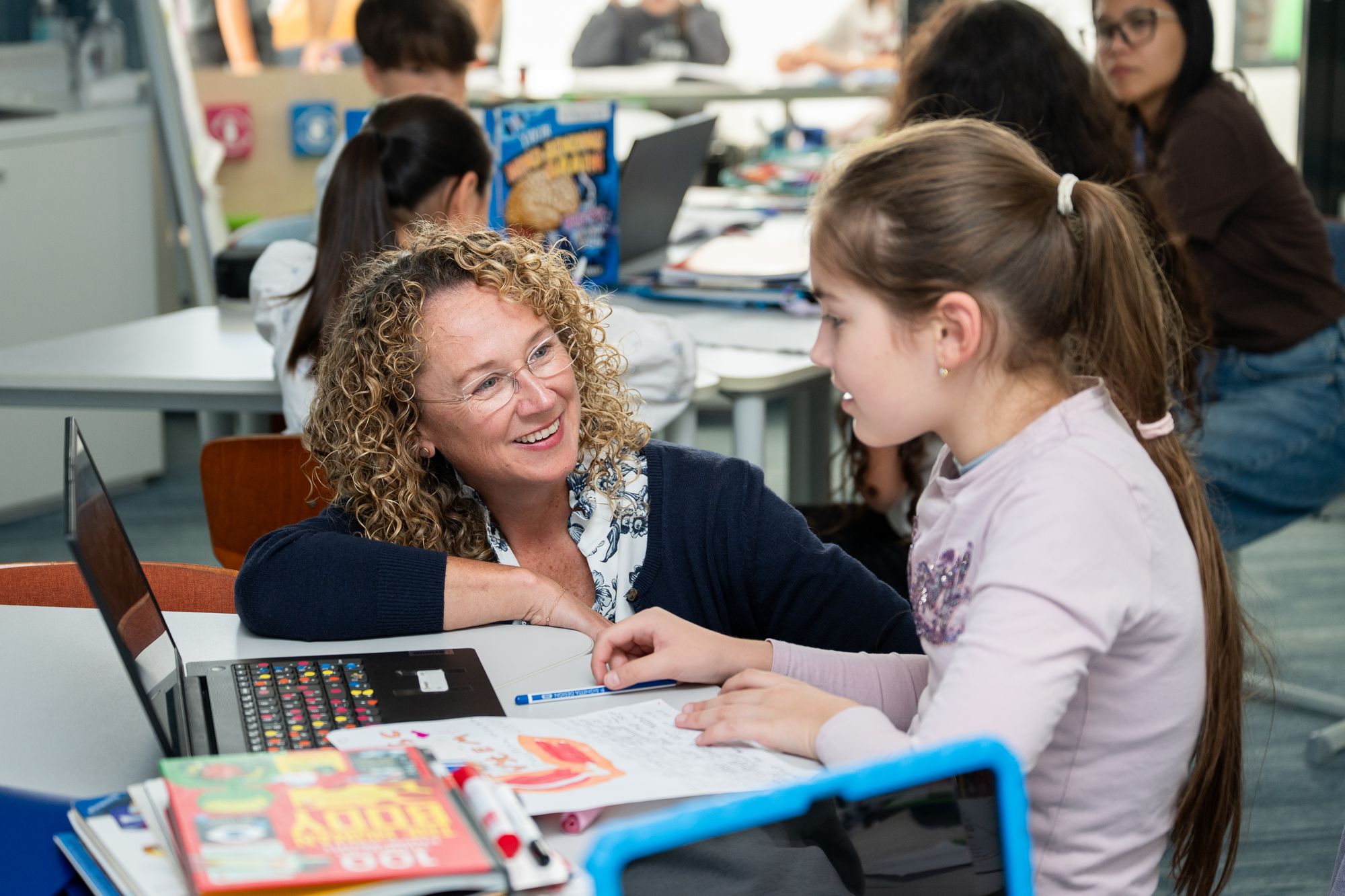
“I feel that every child here is truly known and valued,” Dr. Kahn said.
When she visited Debrecen in autumn 2026, it was precisely this approach that impressed her most about ISD.
She explained that it was not primarily the school building or curriculum that convinced her to join the ISD community, but the way teachers speak about children, pay attention to them and advocate for them.
This approach is particularly important in a world where children face ever more stimulation, expectations and uncertainty.
An International Environment Means More Opportunities
An international outlook also plays a crucial role in preparing children for the future.
At ISD, students learn alongside peers from different countries and cultural backgrounds in an English-language learning environment. But an international setting offers much more than language skills.
Children learn to understand different perspectives, collaborate with people from other cultures, communicate openly and feel confident in a diverse community.
According to Dr. Kahn, one of the greatest benefits of international education is that children can develop a strong personal and cultural identity while experiencing what it means to belong to a global community.
ISD’s aim is not to prepare students for a single predetermined career path, but to keep as many doors open to them as possible.
In the long term, this can give them more choices, whether they wish to continue their studies or pursue a career in Hungary or abroad.
ISD Continues to Grow with International Educational Expertise
The International School of Debrecen has undergone tremendous development over the past eight years, gaining numerous international accreditations, welcoming growing numbers of students and teachers, and building an educational system that has already seen two graduating classes. Dr. Jean-Marie Kahn, who will take over as Director in summer 2027, will play an important role in the school’s next stage of development.

The American educator earned her doctorate in education and school leadership at the University of Massachusetts and has also completed leadership programmes at Harvard Business School and Columbia University.
She began her career as a teacher before holding educational leadership positions in the United States and Kuwait. Since 2021, she has served as Elementary School Principal at Frankfurt International School.
Frankfurt International School is a long-established institution in international IB education, known for its high academic standards and outstanding university progression opportunities. In Dr. Kahn’s leadership philosophy, academic excellence, personalised growth and student well-being are mutually reinforcing goals.

When a family chooses a school, they are making a long-term decision about their child’s future.
They are deciding not only where their child will study mathematics, history or foreign languages, but also what kind of community they will grow up in, how their confidence will develop, how curious they will be about the world and what relationship they will build with learning.
A good school does not force families to choose between high-quality education and a happy childhood. It strives to make the two reinforce each other.
It provides knowledge and skills that children can draw on later in life. It helps them recognise their talents, find their own goals and learn how to deal with challenges, successes and setbacks.
This long-term perspective lies at the heart of the International School of Debrecen’s educational philosophy. The true value of the time, energy and money invested in education cannot be measured solely by school reports or diplomas. It is also reflected in a child growing into a confident, well-balanced, independent thinker who can find their place and forge their own path in the world.